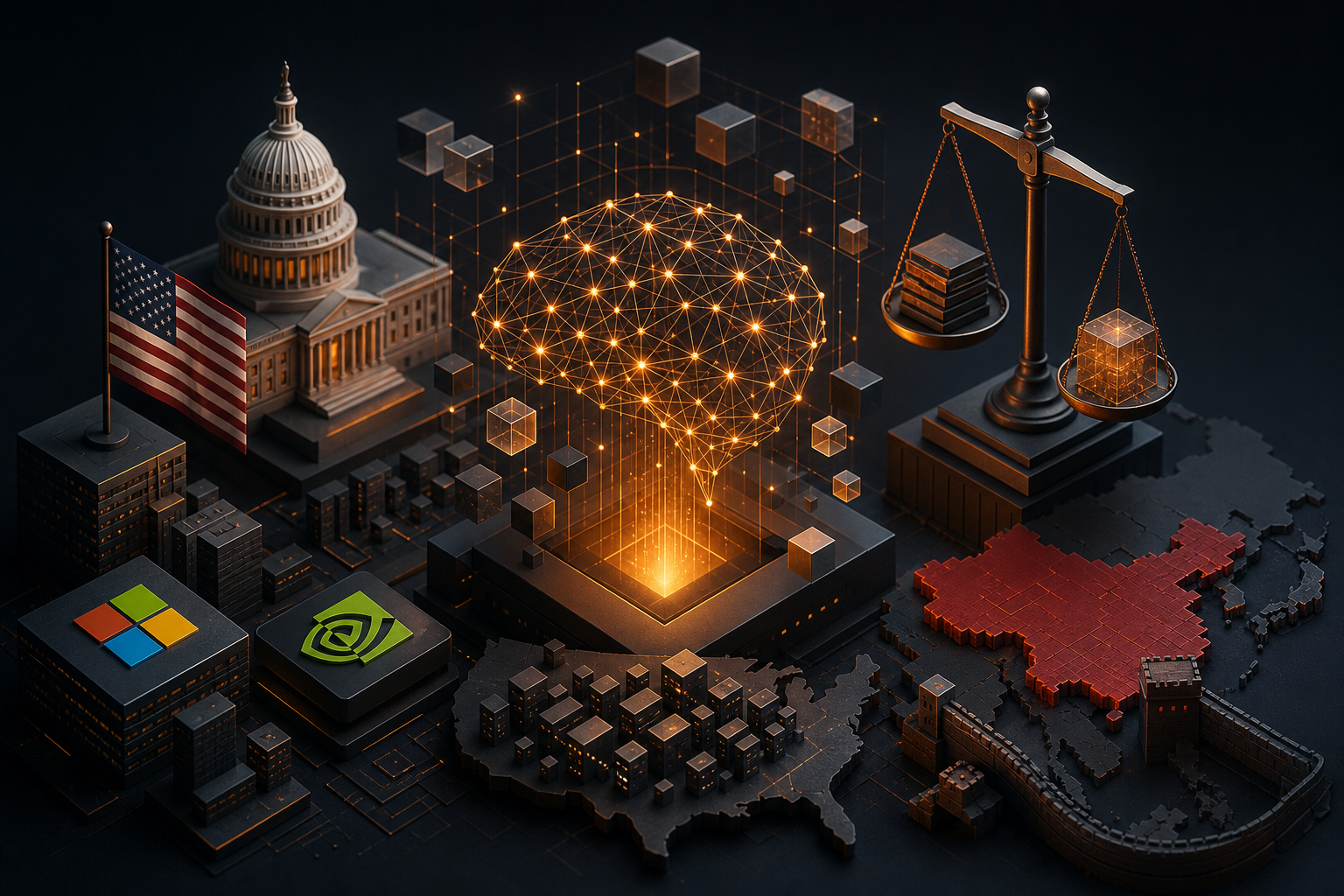
A coalition of Microsoft, Nvidia and now 50 additional US companies is warning the US government against hasty regulatory measures for open AI models. The reason: the Chinese language model Kimi K3, which has triggered security concerns in Washington and is now driving calls for stricter rules. The tech giants fear that blanket restrictions will slow down open-source AI development in the US and thereby enlarge China's lead.
The essentials
- 50+ US companies (including Microsoft and Nvidia) are calling for caution on new rules for open AI models
- The trigger is the Chinese model Kimi K3, which has raised security concerns in the US
- The lobby coalition warns against hasty measures that could weaken the US AI industry
- Behind it all lies a geopolitical competition between the USA and China for AI dominance
The background: Kimi K3 as a catalyst
China's Kimi K3 language model has set off alarm bells in Washington. The concern: an open, powerful Chinese model could pose security risks or be used as a tool for disinformation. This has intensified calls for stricter rules on open-source AI systems – precisely what the US tech industry is now trying to prevent.
The coalition argues that blanket restrictions on open models would be counterproductive. Rather than fostering innovation, they would slow US AI development while simultaneously enlarging China's lead in the AI race. Companies are particularly critical of scenarios where regulation favors only large, established players – while smaller developers and startups fall behind.
Geopolitics over technology
The core problem: the debate conflates technical security with geopolitical calculation. While there are legitimate questions about the abuse potential of open models, the companies see rushed regulations as a weapon that ultimately harms the US itself.
Microsoft and Nvidia speak from a position of strength – both benefit massively from open ecosystems and have the resources to comply with security requirements. Smaller developers, however, could quickly be pushed out of the market.
What this means for German companies
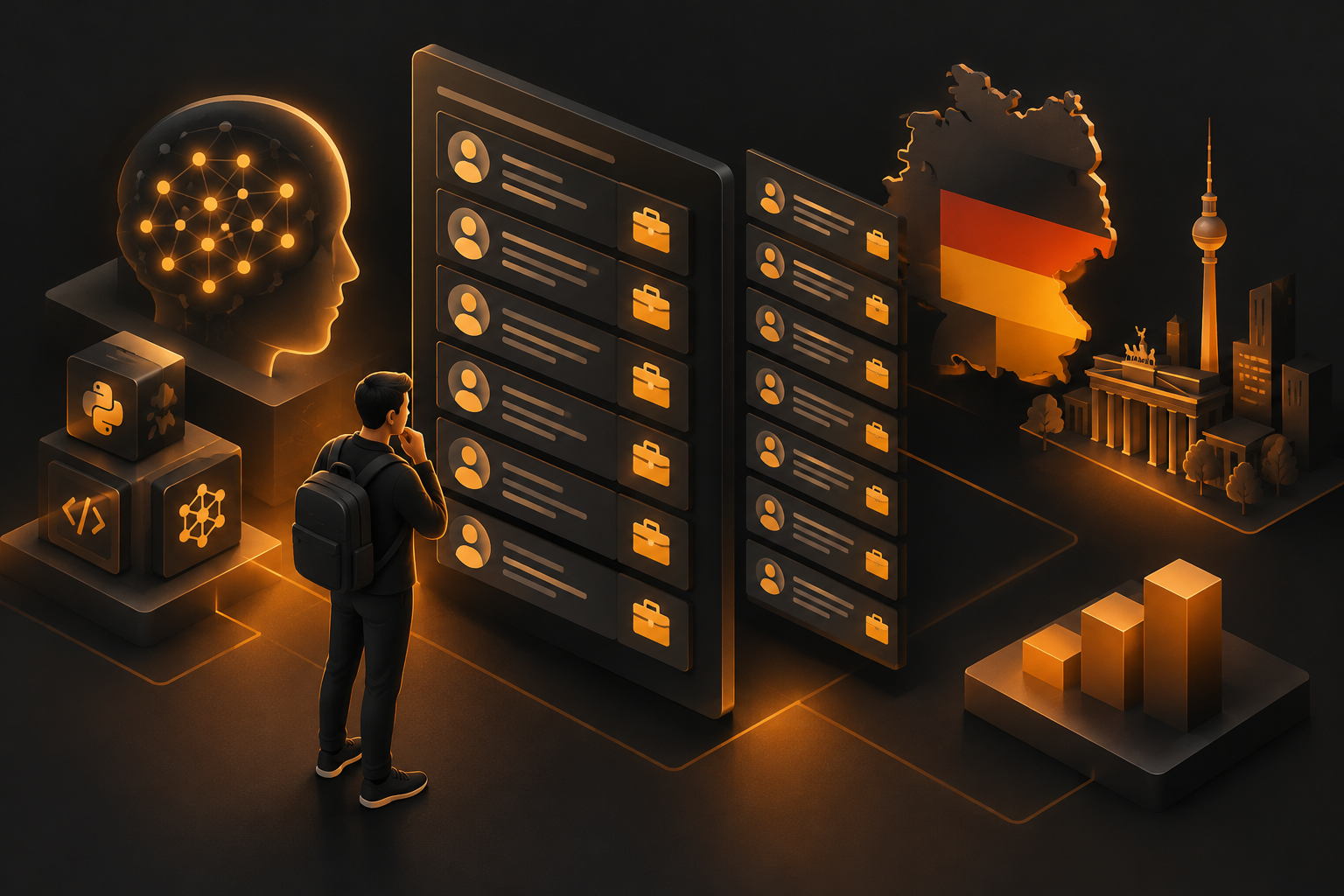
This debate is also relevant for Germany's AI industry. Should the US introduce restrictive rules for open-source models, European companies relying on US tools and infrastructure could be affected. At the same time, stricter US regulation could create opportunities for European providers – if they act faster and more pragmatically. The question is: will Germany and the EU develop its own position in this geopolitical AI competition, or will it follow US precedent?
Sources
Editorially owned by Ideal Syka. Sources and method: Newsroom & method. Tips and corrections: ai@i6eal.de.