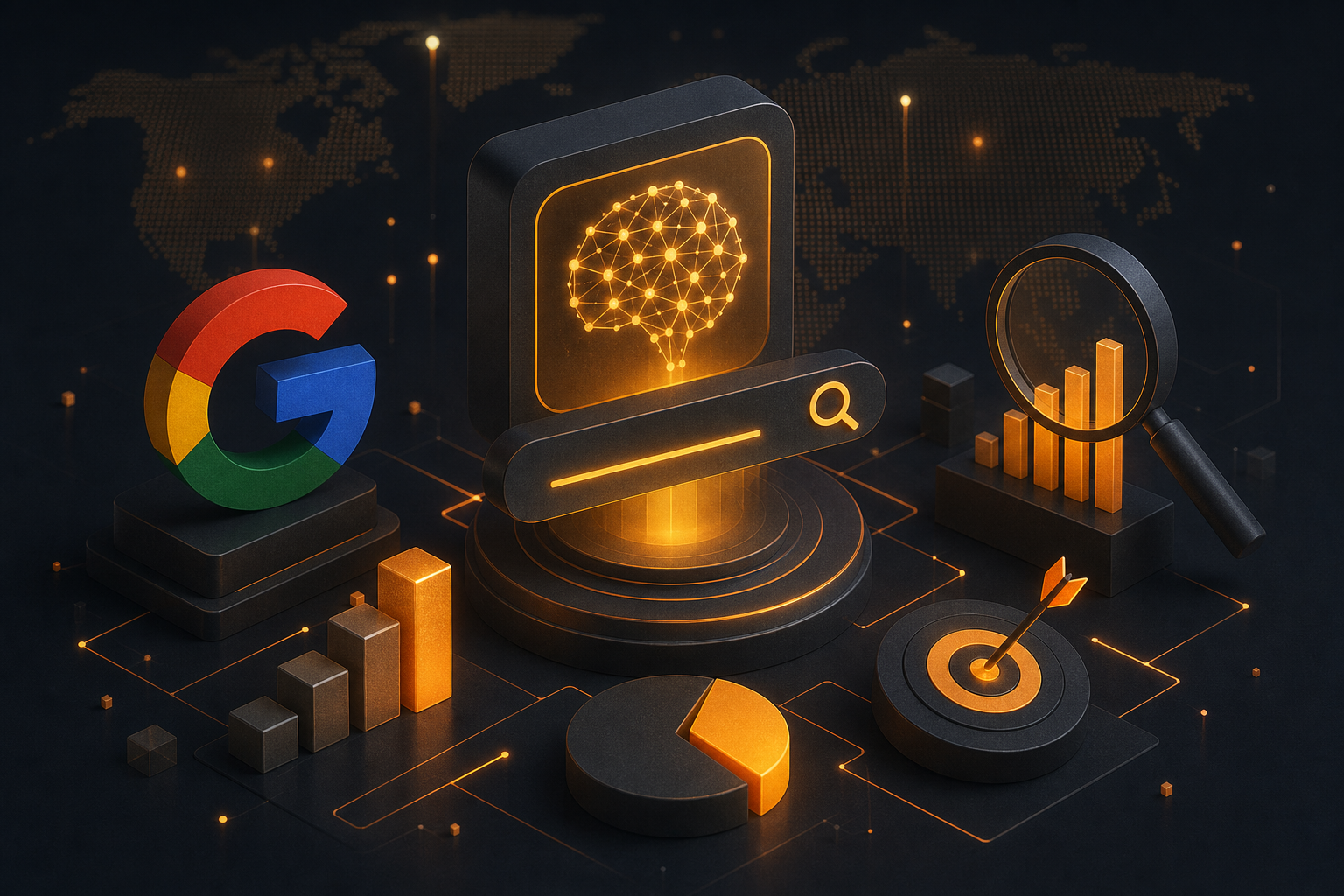
Google is now integrating AI-generated answers into 43 percent of all search queries. A recent report documents this fundamental shift in the search landscape. Just weeks ago, this figure stood at 15 percent – a nearly threefold increase in a short timeframe.
Quick Facts
- AI answers at Google: jumped from 15 to 43 percent
- Affected searches: nearly half of all Google queries now display AI-generated content
- Impact: direct competition for traditional website rankings and organic clicks
- Timeline: increase occurred within months
The Rapid Rise of AI-Powered Answers
Google has massively expanded its AI-powered answer function. The feature automatically summarizes search results and displays them directly at the top of the search results page – without users needing to click through to external websites. At 43 percent coverage, this is no longer a niche feature but a central element of Google Search.
This jump from 15 to 43 percent in a short period shows how aggressively Google is pushing AI integration. The company is responding to pressure from ChatGPT and other generative AI systems that lead users directly to answers – bypassing Google as an intermediary.
What This Means for Website Operators
For businesses and content creators, this is a critical moment. Traditional SEO strategies focused on high search rankings are losing effectiveness when AI answers intercept traffic. Users get their answer directly from Google – and no longer click through to linked websites.
| Scenario | Impact |
|---|---|
| AI answer displayed | Fewer clicks to external links |
| Traditional rankings | Become less visible |
| Content quality | Becomes more important for AI answers |
| Branding | Needs rethinking |
The opportunity lies in the fact that Google compiles its answers from existing sources. Those with high-quality, structured content can still appear in AI answers – though without direct traffic gains.
Strategic Realignment Required
German companies must rethink their digital strategy. Optimizing for rankings alone is no longer sufficient. Instead, focus should shift to:
- Visibility in AI systems: Structure content so AI models capture it correctly
- Direct customer relationships: Greater emphasis on email, newsletters, and owned platforms
- Niche segmentation: In areas where AI answers are less relevant, organic traffic remains intact
- Strengthen branding: When direct links disappear, brand recognition becomes critical
What This Means for the Industry
This trend is not temporary. Google will continue expanding AI answers – this is the future of search. For German mid-market companies, this means: those who don't adapt now will lose traffic and potential customers. The question is no longer whether AI will change search, but how quickly businesses can adjust.
Sources
Editorially owned by Ideal Syka. Sources and method: Newsroom & method. Tips and corrections: ai@i6eal.de.