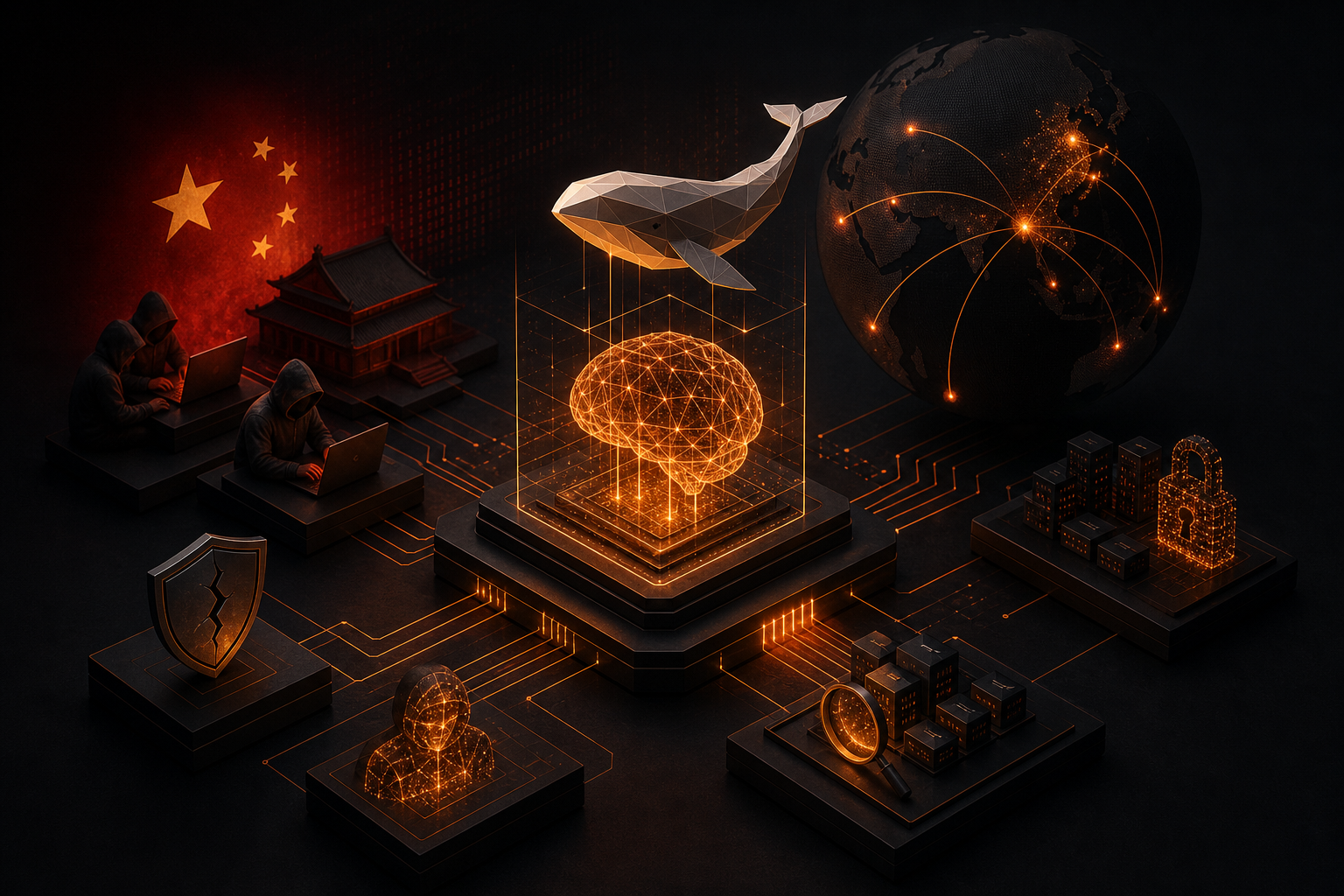
Chinese hackers have begun systematically leveraging the DeepSeek AI model to enhance their cyberattack capabilities, according to a Bloomberg report. Security researchers warn that state-sponsored Chinese actors are using the technology to scale their attack volumes and increase operational efficiency.
Key Facts
- DeepSeek is being used by Chinese hackers as the "AI of choice" for cyberattacks, researchers report
- State-sponsored Chinese actors deploy the model to amplify attack volumes
- The technology enables attackers to make their campaigns more efficient and scalable
- Security experts classify this phenomenon as a growing risk for organizations worldwide
How DeepSeek Is Weaponized in Attack Scenarios
While specific technical details remain limited in available reports, researcher warnings suggest that AI models like DeepSeek could help hackers automate phishing campaigns, identify security vulnerabilities faster, and personalize social engineering attacks. The combination of free access and lack of geographic restrictions makes DeepSeek attractive to threat actors. Unlike commercial AI services with usage limitations, DeepSeek presents fewer barriers to abuse.
Why DeepSeek Became a Target
DeepSeek is widely adopted by developers globally. Its free availability and Chinese origin make it a natural choice for state-sponsored Chinese actors. The model's accessibility and minimal content moderation compared to commercial alternatives reduce friction for malicious use.
Implications for German Organizations
This development matters for German enterprises and government agencies because it demonstrates that AI technologies are increasingly weaponized in cyberattack operations. Organizations should review their security posture and monitor for signs of AI-driven attack patterns—such as unusually personalized phishing campaigns or rapid successive exploitation attempts. German authorities must reassess the threat landscape and adapt defensive strategies accordingly.
Key questions remain unanswered: what specific countermeasures have German security agencies implemented, and how is international collaboration structured to address this emerging threat vector?
Sources
Editorially owned by Ideal Syka. Sources and method: Newsroom & method. Tips and corrections: ai@i6eal.de.