
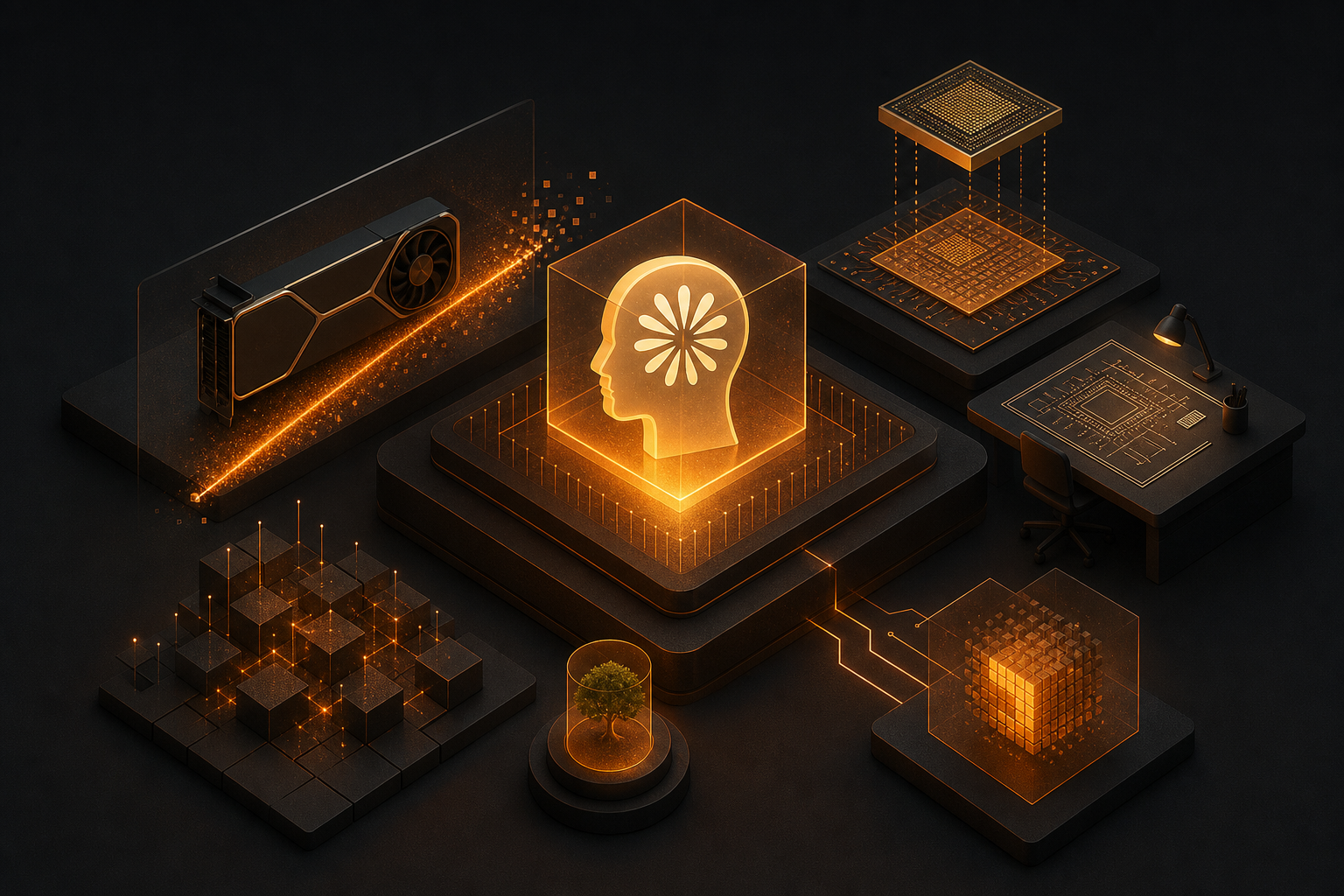
Anthropic, the developer behind the Claude AI model, is establishing an in-house chip design team. According to Reuters and multiple industry sources, the company is actively hiring engineers to develop custom hardware for Claude – a clear signal of intent to reduce dependence on established chip suppliers like Nvidia.
Key Facts
- Anthropic is launching an in-house chip design team to develop hardware tailored for Claude
- The initiative aims to achieve independence from Nvidia and other established chip makers
- Engineers are being actively recruited – specific team size and timeline remain undisclosed
- The project reflects a broader industry trend: major AI labs including Google are also developing proprietary chips
Strategic Rationale
Reliance on Nvidia's GPUs has become a strategic vulnerability for large AI companies. Designing proprietary chips allows organizations to reduce costs, optimize performance for their specific models, and mitigate supply chain risks and price pressures. Anthropic is following a proven playbook: Google operates TPUs. According to multiple industry sources, other major AI labs are also pursuing similar initiatives.
The timing reflects Anthropic's rapid growth. Claude adoption among developers and enterprises is accelerating, creating corresponding demands for computational capacity and efficiency.
Market Dynamics Shifting
The establishment of chip design teams by AI developers is no longer an isolated occurrence but a structural market trend. Companies that control their hardware can iterate faster and train models more efficiently. This could fundamentally reshape competitive dynamics in the AI industry – both technologically and economically.
A key question remains: will Anthropic commercialize these chips externally, or reserve them exclusively for Claude? Other providers like Google have made TPUs available to external customers.
Implications for European Companies
This trend carries implications across multiple sectors: chip designers and hardware manufacturers face new competition from specialized AI hardware; Claude users may benefit from improved performance or cost efficiency; and dependence on major AI providers doesn't diminish – it shifts to a different layer. German initiatives focused on building sovereign AI infrastructure gain added relevance in this context.
Sources
Editorially owned by Ideal Syka. Sources and method: Newsroom & method. Tips and corrections: ai@i6eal.de.