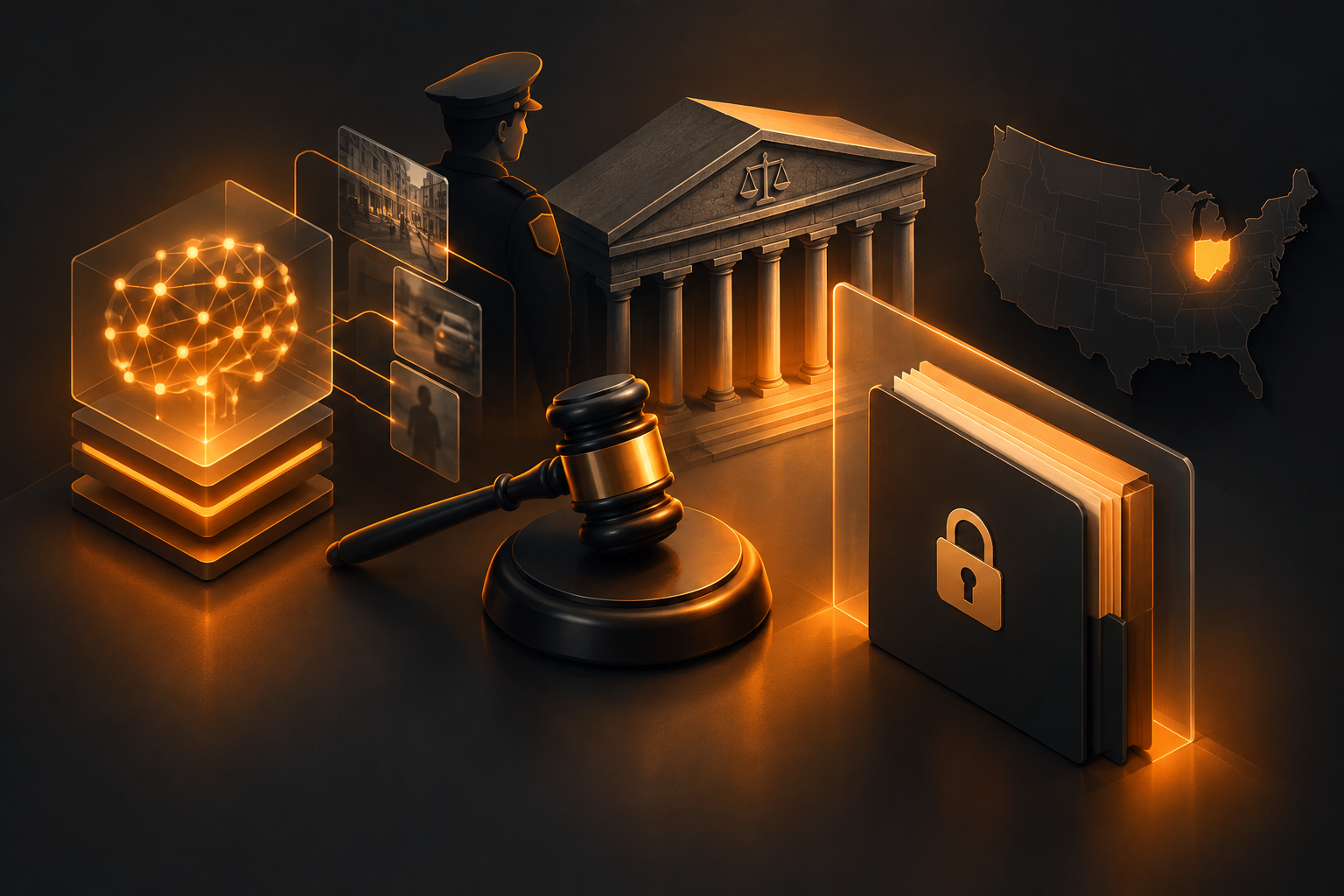
The 8th US Circuit Court of Appeals in St. Louis has temporarily halted Minnesota's groundbreaking law against artificially generated nude images. Elon Musk's company xAI filed for a preliminary injunction—and succeeded before the appeals court after a district court had rejected the motion.
Key Facts
- xAI's court victory: The appeals court blocks Minnesota's law temporarily while the lawsuit proceeds
- Constitutional question at core: xAI argues the law violates US free speech protections
- In effect since August: Minnesota's "nudification" ban took effect on August 1 and was the first of its kind in the US
- Opposing positions: Minnesota argues the law is necessary to combat the spread of child sexual abuse material; xAI emphasizes "rigorous safeguards"
The Law and Its Scope
Minnesota enacted a ban that prohibits website operators, software developers, and other platforms from enabling users to create realistic images of an identifiable person's intimate body parts—if those parts are not visible in the original photo. The law directly targets so-called "deepfake nude images."
The original district judge Donovan Frank had rejected xAI's emergency motion last month. His reasoning: the company had not demonstrated irreparable harm and had waited too long before filing suit.
xAI's Counter-Arguments
On appeal, xAI disputed the delay allegation. More importantly, the company claims its Grok Imagine tool includes "rigorous protections" against creating nude images of real people. In parallel, xAI has already sued users it alleges are circumventing Grok's technological blockers to create sexual images without consent.
Minnesota's Position
The state argues the law is necessary to combat the spread of what it calls a "staggering amount" of child sexual abuse material that AI products like Grok Imagine generate. Minnesota urged the appeals court not to block the law—without immediate success.
What This Means
The decision is a precedent for the tension between free speech and protection from digital abuse. While the US sets constitutionally high bars for speech restrictions, pressure is mounting to regulate AI-generated nude images—especially when minors are involved.
For German companies and regulators, this matters: The EU AI Act and national laws like Germany's planned deepfake rules must address similar questions without falling into constitutional traps. The US debate shows that a simple ban is technically hard to enforce and legally vulnerable. At the same time, platforms face pressure to make their safeguards credible.
Sources
Editorially owned by Ideal Syka. Sources and method: Newsroom & method. Tips and corrections: ai@i6eal.de.