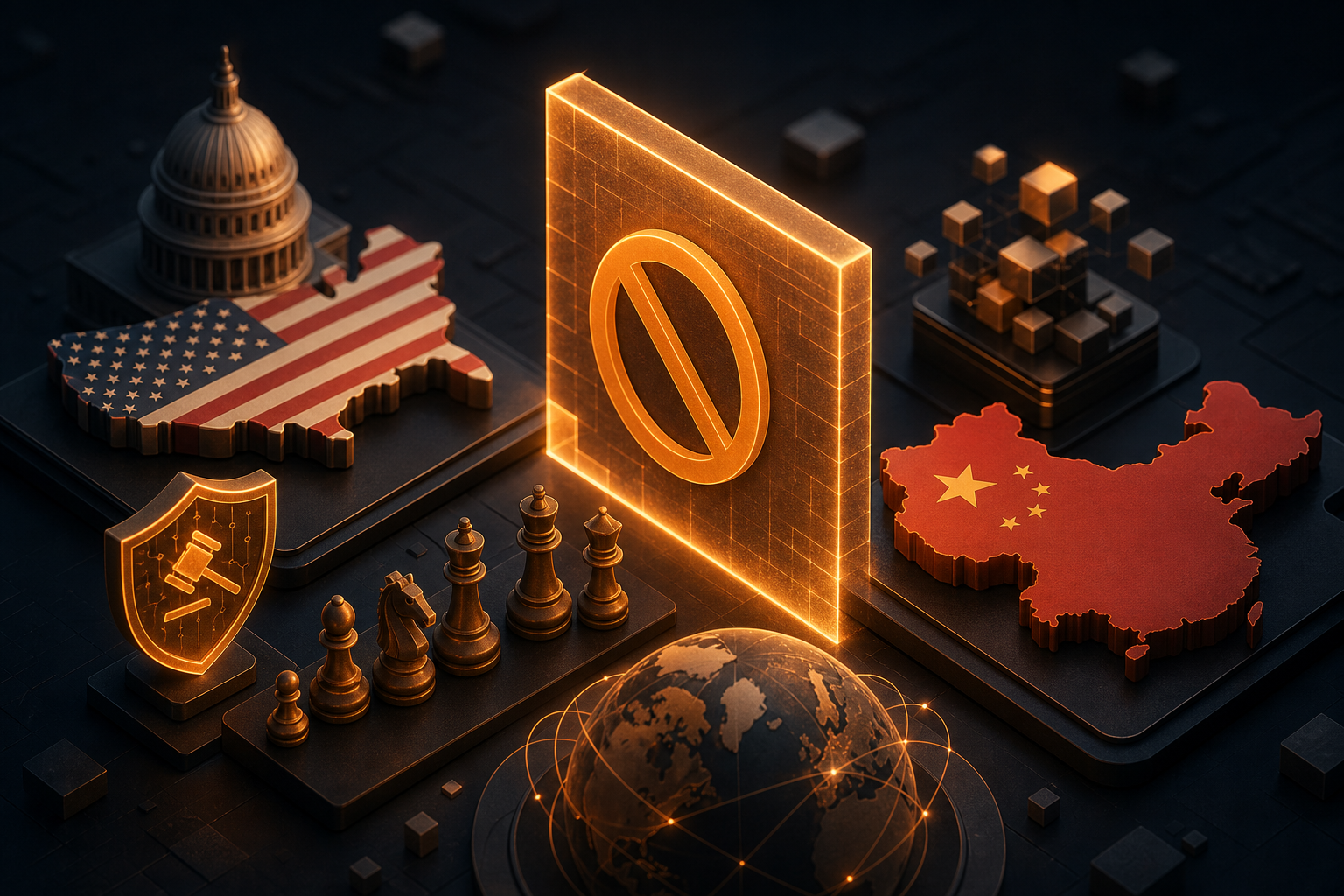
The Trump administration is taking a new approach to Chinese AI models: instead of a blanket ban, it plans targeted restrictions on specific systems, according to the New York Times. This signals a major shift in global AI policy—and reveals deep conflicts of interest within the US tech industry.
The essentials
- OpenAI and Google DeepMind subsequently signed an open petition opposing regulation of open-weight AI models—yet both firms lobby behind closed doors for restrictions on Chinese models, according to The Decoder
- The Trump administration prefers security concerns as justification for selective bans rather than sweeping prohibitions
- Anthropic and OpenAI face price pressure from cheaper Chinese models and have economic incentives to restrict them
- Models like Kimi K3 lag significantly behind Western frontier models in cybersecurity capabilities
The double game of tech giants
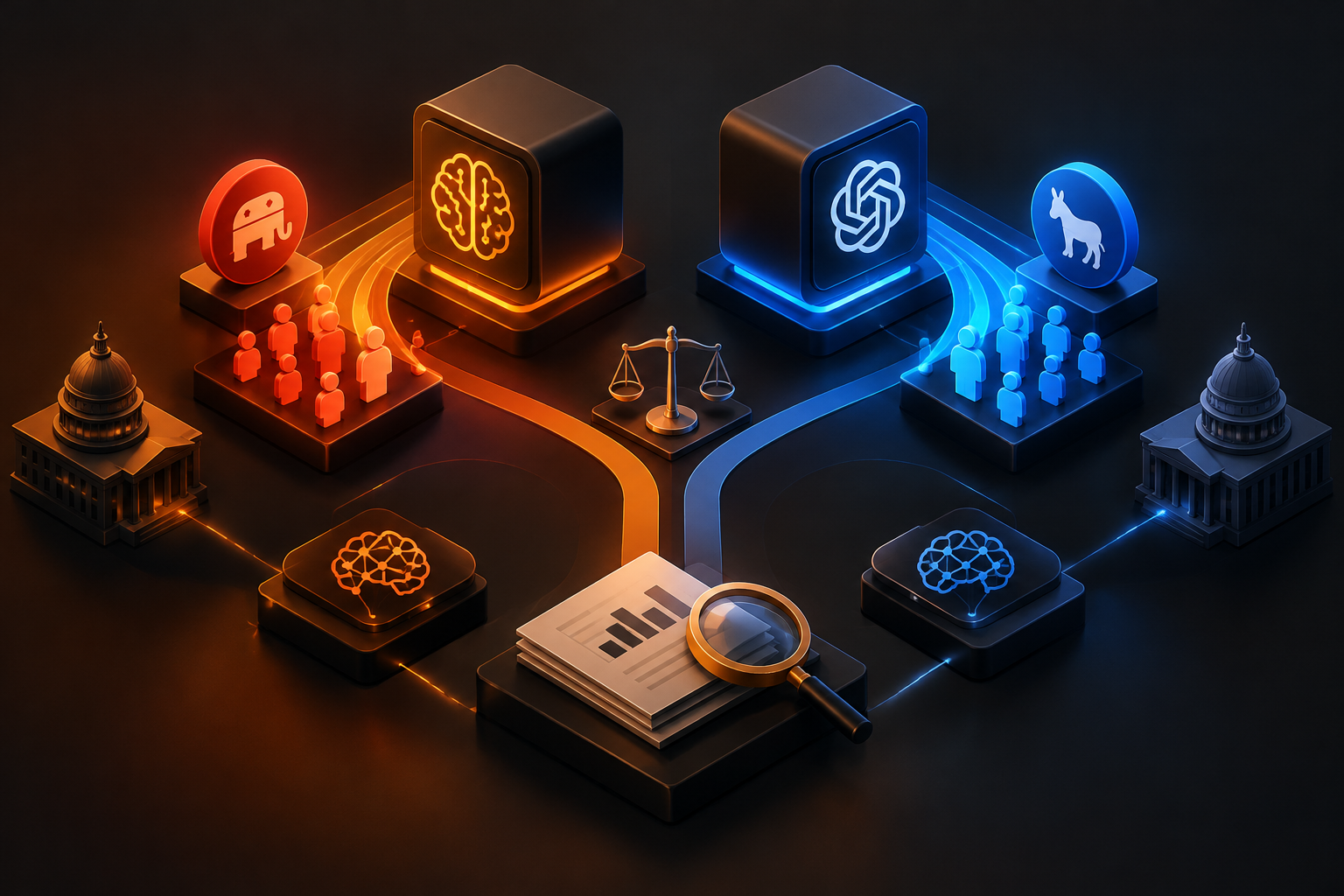
The picture is contradictory: OpenAI and Google DeepMind publicly opposed regulation of open-weight models—subsequently signing an open petition alongside numerous other tech companies. Yet behind closed doors, the story differs. Anthropic and OpenAI specifically lobby for restrictions on Chinese open models, reports The Decoder.
This is no accident. Many signatories of the petition have economic stakes in open models: Microsoft and Google resell Chinese models through their own services. Others want to prevent Anthropic and OpenAI from gaining too much market power. Google DeepMind itself has released numerous open models—including the successful Gemma series.
Security or protectionism?
The Trump administration justifies its plans with security concerns. This may be legitimate: models like Kimi K3 lag far behind Western frontier models in cybersecurity. Selective bans on specific systems appear more nuanced than blanket restrictions.
Yet the economic reality is clear: Anthropic and OpenAI face price pressure from cheaper Chinese alternatives. For them, banning competing systems is a business model protection strategy, wrapped in security language. The public petition against regulation thus serves as a smokescreen—while the same firms lobby for restrictions behind the scenes.
What this means for Europe
For European companies and mid-market firms, the implications are significant. If the Trump administration does selectively ban Chinese open-weight models, it could restrict access to affordable, high-performing alternatives to OpenAI and Anthropic—particularly for smaller firms dependent on cost-effective solutions. It also intensifies pressure on European AI sovereignty: if the US fragments the open model market, building independent European alternatives becomes harder. The debate also reveals that "open" AI models quickly become geopolitical pawns—regardless of how loudly tech firms publicly champion openness.
Sources
Editorially owned by Ideal Syka. Sources and method: Newsroom & method. Tips and corrections: ai@i6eal.de.