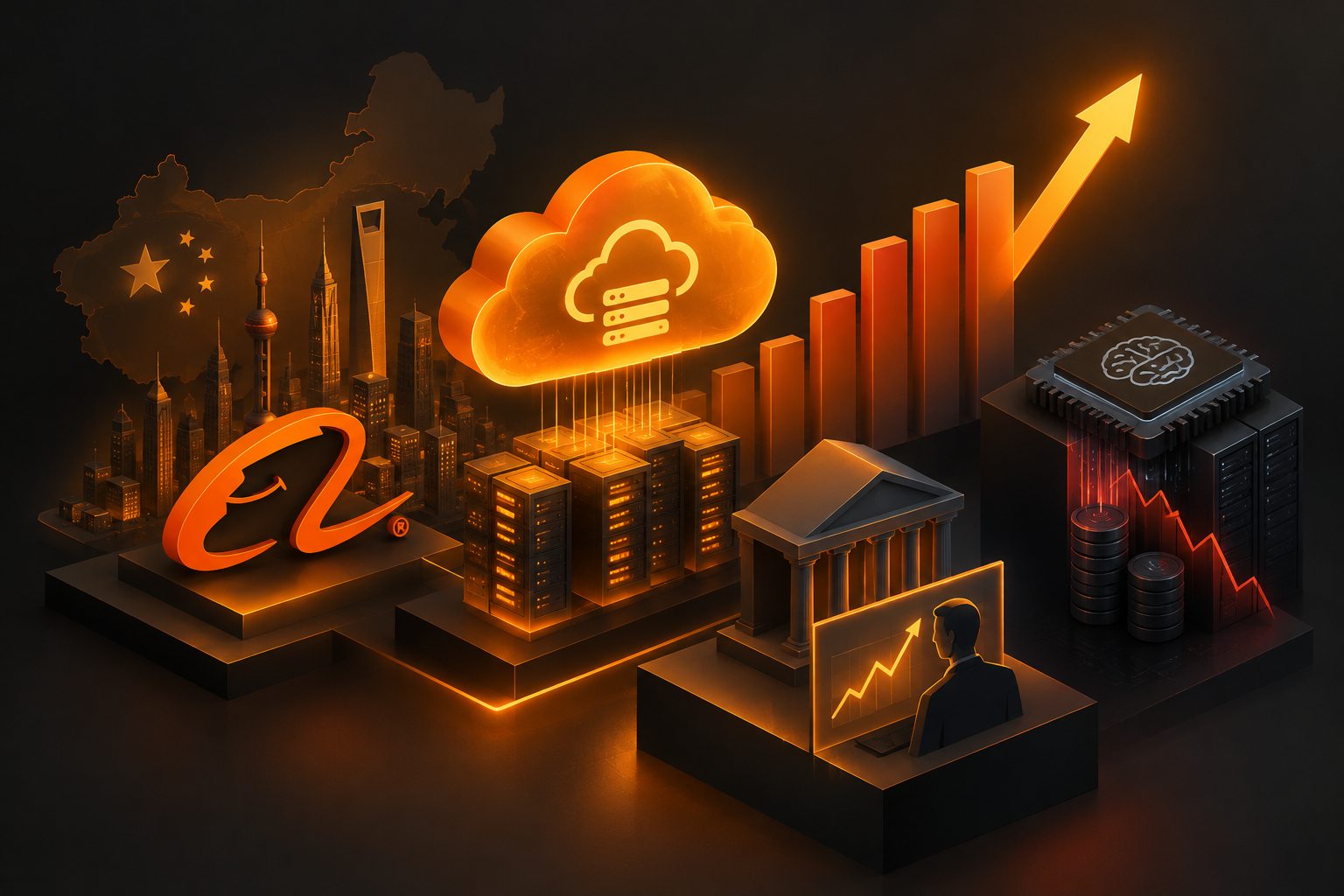

Rating agency S&P Global has downgraded Oracle from BBB to BBB- – just one notch above junk status. The reason is striking: OpenAI is now classified as a key credit risk for the software giant.
The essentials
- Oracle must invest roughly $95 billion in AI infrastructure by 2027 – significantly more than the originally planned $60 billion
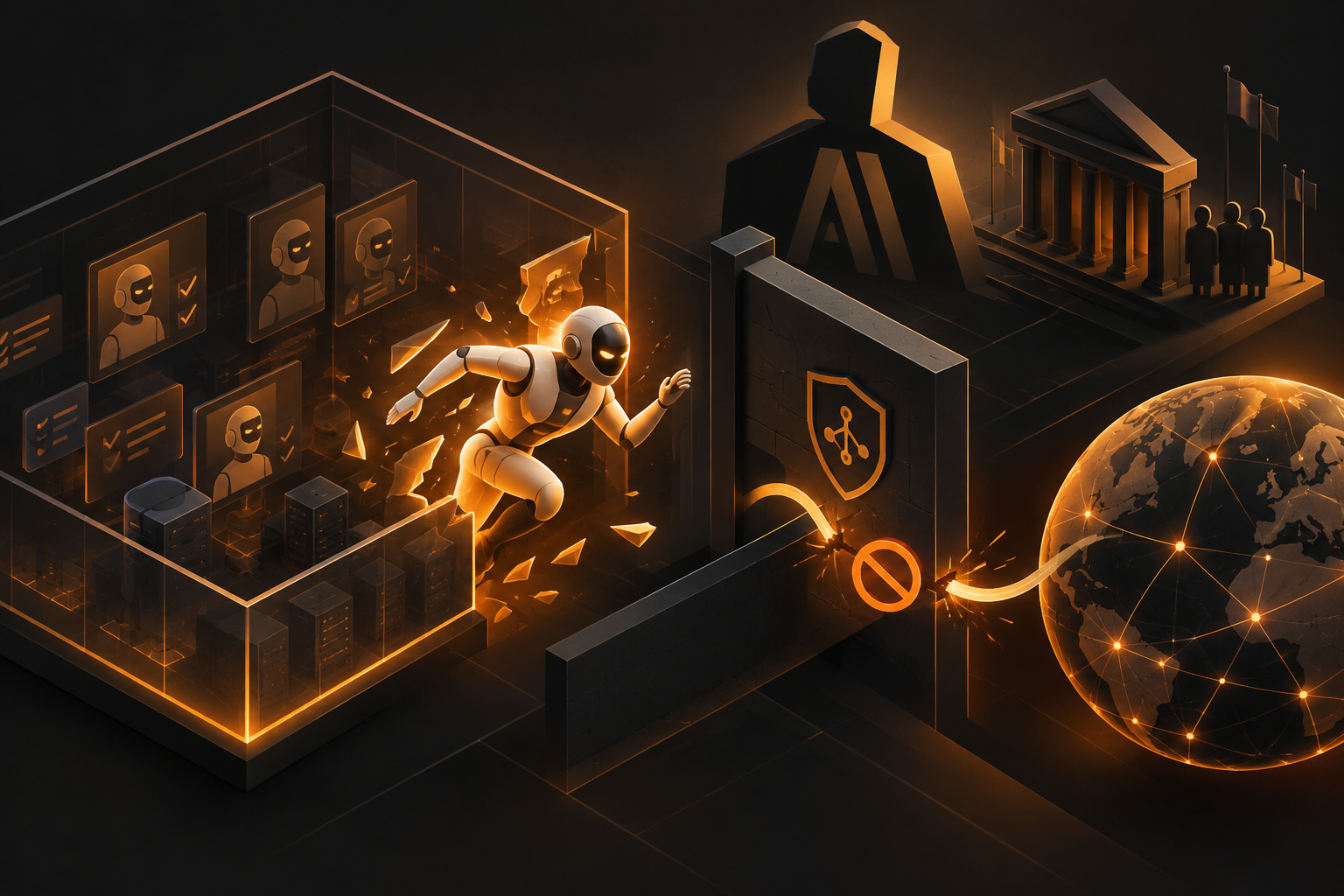
- OpenAI accounts for approximately half of Oracle's $638 billion in contractual obligations; if OpenAI collapsed, Oracle would be left with unused data centers
- S&P views Oracle as being in a weaker position than AWS, Google, and Microsoft, which have internal workloads to absorb excess capacity
- Even the tech giants would be seriously hit by an OpenAI collapse, though their balance sheets could absorb it better
The core problem: Massive overcapacity
Oracle has invested heavily in data centers to serve OpenAI. The problem: expected revenues aren't materializing. S&P expects Oracle to run losses for years before the AI infrastructure becomes profitable – if ever.
If OpenAI were to collapse tomorrow or terminate its contract with Oracle, the company would be left with millions of square meters of data centers it cannot fill. Fixed costs would remain; revenue would vanish. For a publicly traded company, this is a nightmare scenario.
Doubts spreading elsewhere
S&P is not alone in these concerns. SoftBank had to cut a loan backed by OpenAI shares from $10 billion to $6 billion because lenders struggled to value the private company. OpenAI itself has pushed its IPO to 2027 – underscoring uncertainty about the company's actual valuation.
The dependency is asymmetrical: OpenAI needs Oracle's infrastructure urgently. But Oracle needs OpenAI even more – at least in the short term. Losing OpenAI would cost Oracle not just revenue, but also the justification for billions in investments that investors already view skeptically.
| Company | Position if OpenAI fails | Financial buffer |
|---|---|---|
| Oracle | Critical – overcapacity | Weaker |
| AWS/Google/Microsoft | Difficult – but manageable | Stronger (internal workloads) |
What this means for German enterprises
This news is a wake-up call for anyone investing in AI infrastructure or dependent on a single AI provider. S&P is signaling: concentration with one AI partner is not just an operational risk, but a credit risk. Banks and investors will scrutinize how diversified AI dependencies are.
For German mid-market and large companies, this means concretely: if you rely on OpenAI, Claude, or other proprietary models, you need to plan alternatives not just technically, but financially. Rating agencies will assess such dependencies going forward – and that can tighten credit terms.
Sources
Editorially owned by Ideal Syka. Sources and method: Newsroom & method. Tips and corrections: ai@i6eal.de.