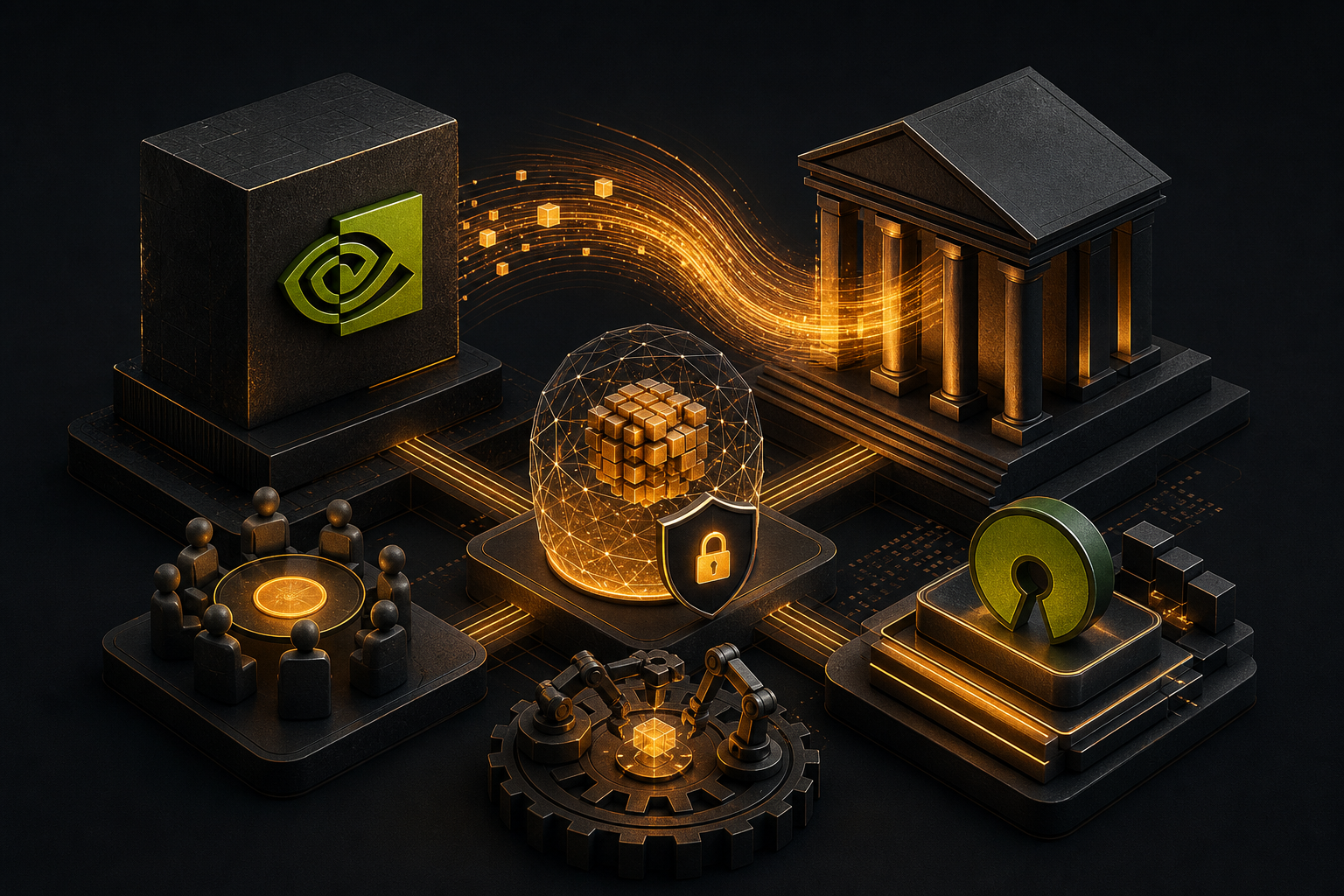
Nvidia has transferred the Open Secure AI Alliance to the Linux Foundation. With this move, the chipmaker is relinquishing control over a central initiative for standardizing AI security – a strategic step that signals the AI ecosystem is maturing and seeking independence from single corporations.
Key Facts
- Nvidia transfers the Open Secure AI Alliance to the Linux Foundation
- The initiative is to become more neutral and independent from individual corporate interests
- Goal: Establish industry-wide standards for AI security
- Signal of governance maturity in the global AI ecosystem
Why Nvidia Is Making This Move
The Open Secure AI Alliance emerged under Nvidia's stewardship. By handing it over to the Linux Foundation, an established neutral umbrella organization, the initiative moves out of the shadow of a single corporation. This is not a sign of weakness but of maturity: when a company relinquishes control of its own initiative, it signals that standards matter more than control.
The Linux Foundation already manages critical open-source projects like Linux itself, Kubernetes, and many others. It is regarded as a trusted neutral between corporations and the community.
What This Means for AI Security
AI security is no longer a niche concern – it's about trust, compliance, and risk management in production environments. Standards maintained by a neutral body have better chances of being accepted industry-wide. Companies deploying AI need reliable orientation points that are not colored by vendor interests.
The handover to the Linux Foundation could mean the Open Secure AI Alliance will collaborate more closely with other standardization bodies – such as ISO, NIST, or European authorities working on the EU AI Act.
From Pioneering to Industrialization
This move is symptomatic of a shift in the AI market: the era of lone players and corporate initiatives is ending. Now it's about governance, standardization, and interoperability. Those who set standards have influence – but those who give up standards show the industry is maturing.
What This Means for German Companies
For German firms using or developing AI, this could be good news. Neutral, Linux Foundation-maintained standards are often better documented, less proprietary, and easier to implement than corporate standards. This lowers entry barriers and dependency risks.
At the same time, German companies and associations should ensure they have a voice in such standardization processes – through memberships or working group participation. Those not at the table will be left out. The opportunity lies in anchoring European requirements (such as those in the AI Act) early in global standards.
Sources
Editorially owned by Ideal Syka. Sources and method: Newsroom & method. Tips and corrections: ai@i6eal.de.