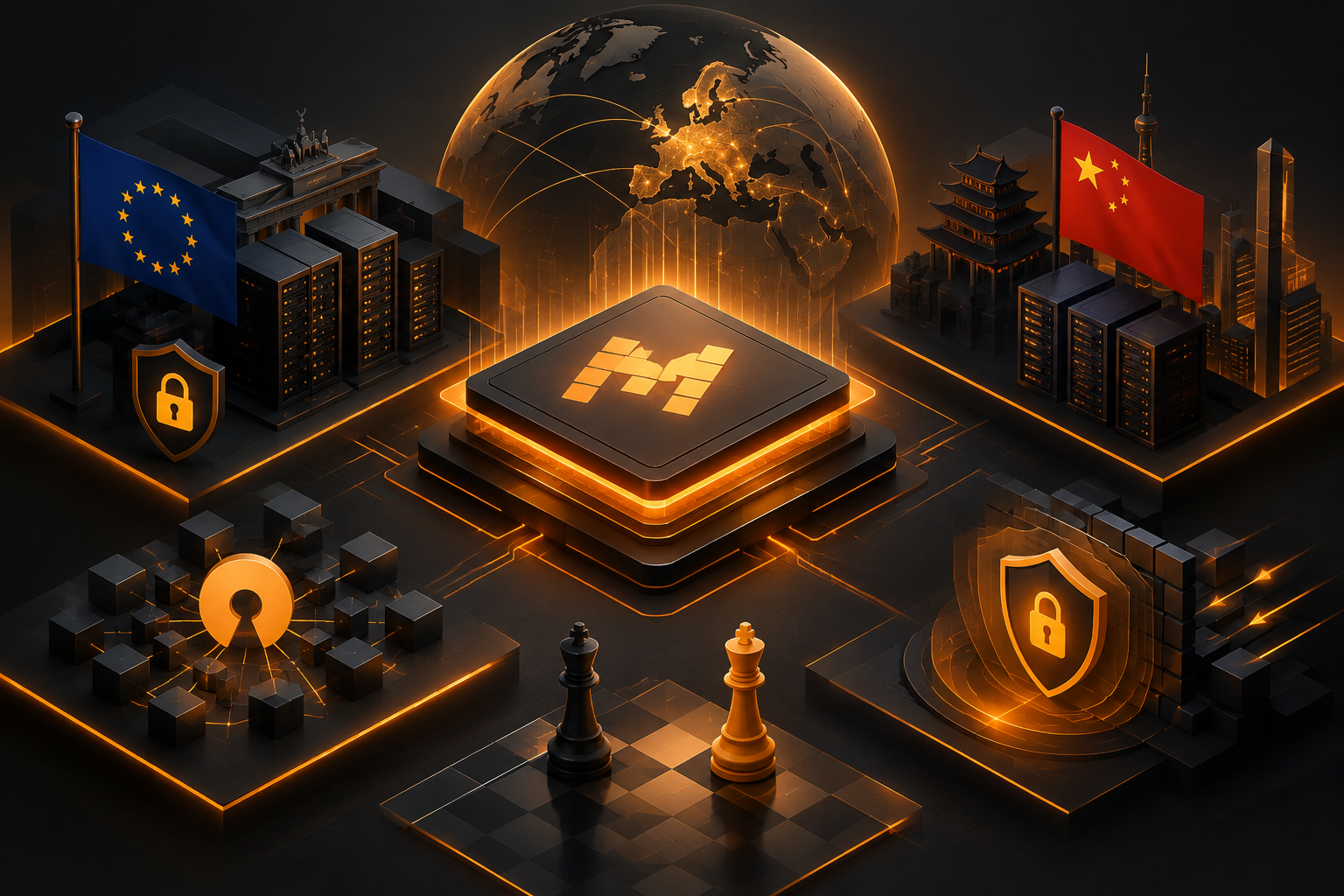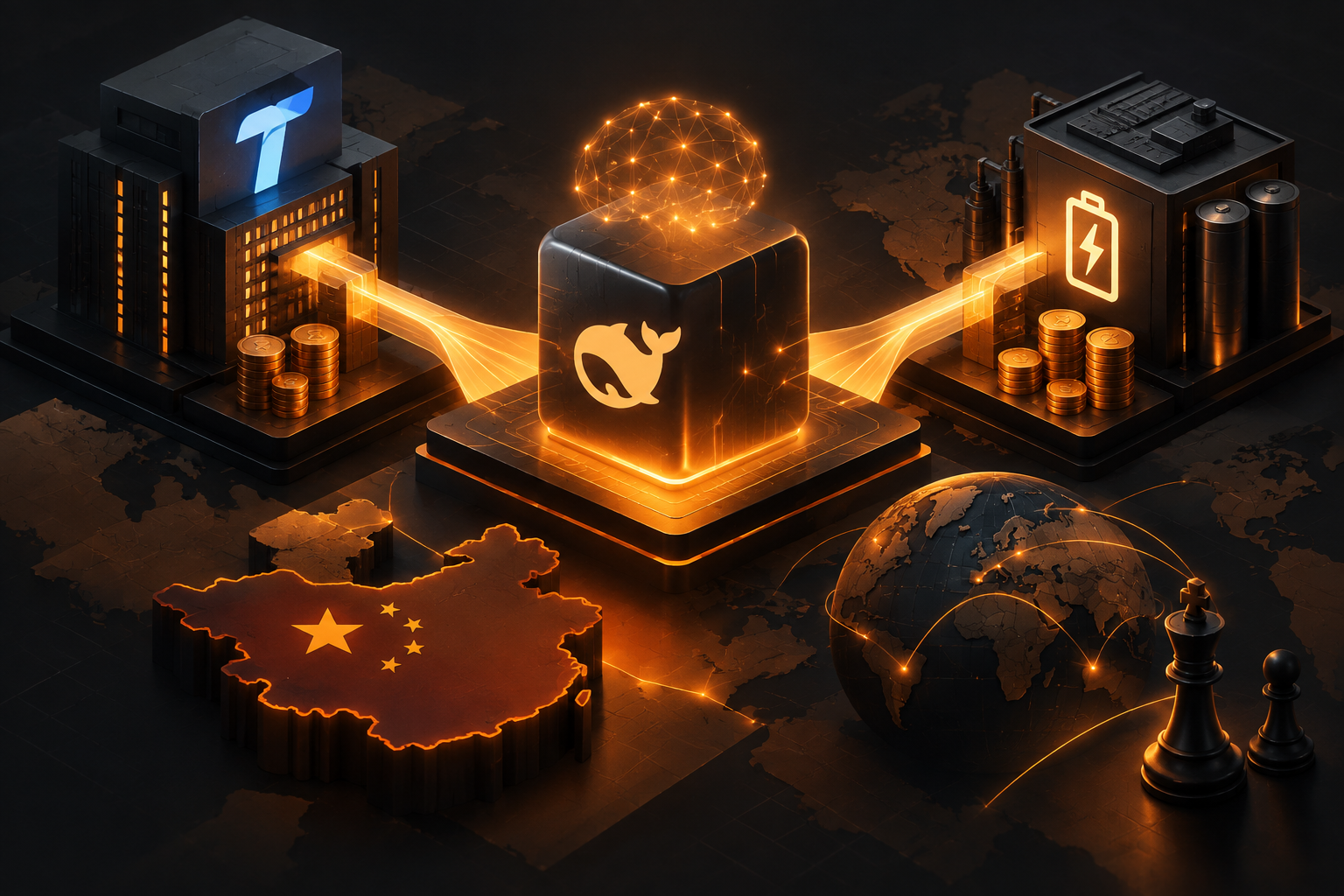
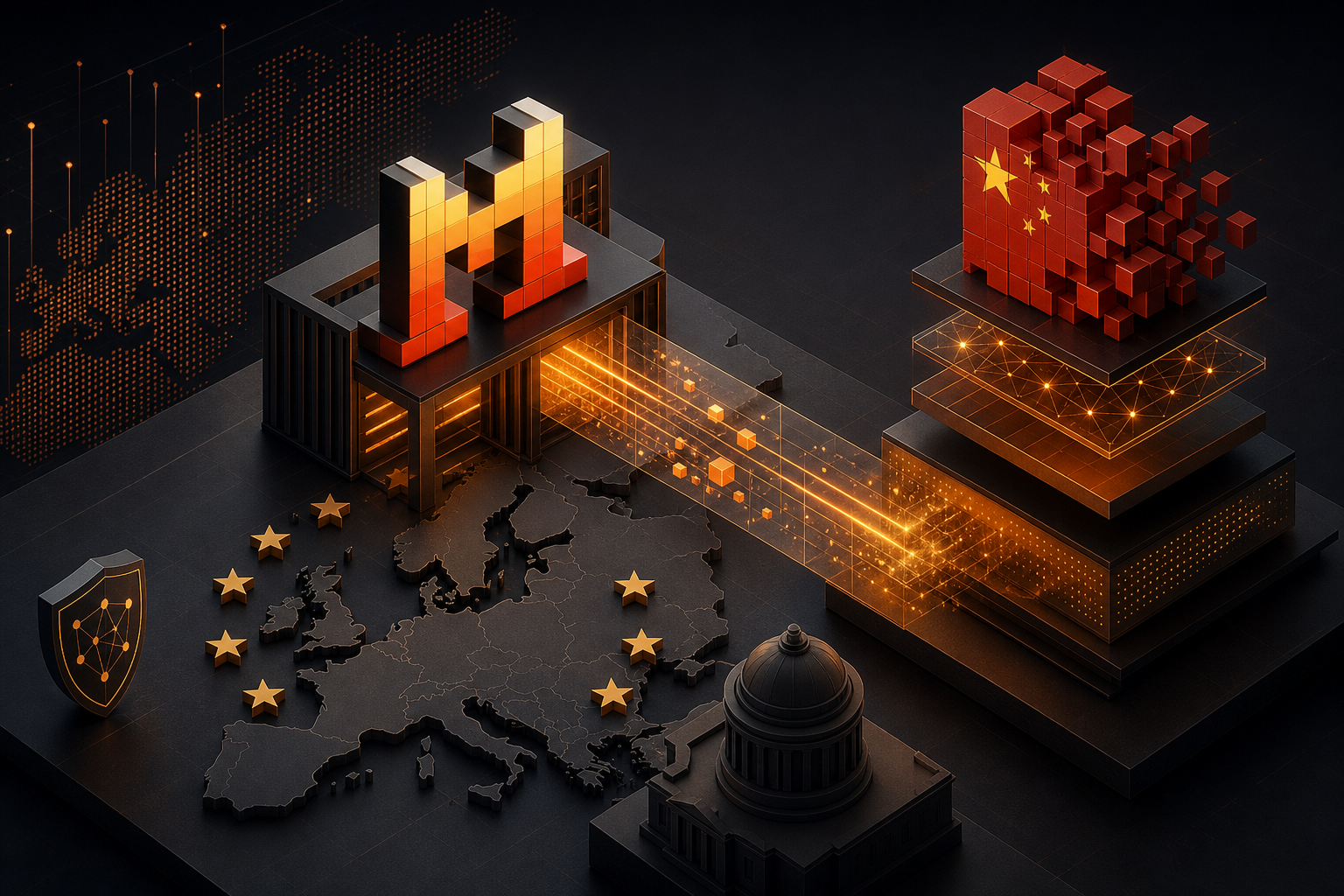
French AI startup Mistral, once hailed as Europe's flagship lab for digital sovereignty, has reached a strategic turning point: it is opening its infrastructure to foreign models – specifically to GLM-5.2 from Chinese AI lab Z.ai. In doing so, Mistral effectively relegates its own models to the background and signals that it cannot become profitable on its own.
The essentials
- Mistral makes the Chinese model GLM-5.2 from Z.ai available via its infrastructure
- Mistral's own models now rank second-tier – according to benchmark platform Artificial Analysis, GLM-5.2 is significantly more powerful
- The startup received state subsidies in the high single-digit millions and billion-dollar funding rounds
- In July, Mistral intensified its partnership with Microsoft – also under the guise of European sovereignty
From sovereignty to platform
Mistral was founded as an answer to the dominance of OpenAI, Google, and other US corporations. The European vision was central: an AI lab built on EU soil with European values should demonstrate that alternatives exist. Yet this narrative is now visibly crumbling. Not only does Mistral already cooperate with Microsoft – a US corporation subject to the US Cloud Act. Now the French startup becomes a platform for a Chinese model.
This is more than a tactical move. It is an admission that its own models are insufficient to make the company profitable. Despite massive investments and state support, Mistral cannot deliver on what it promised.
The irony of digital sovereignty
The irony is obvious: while Europe talks about digital sovereignty and pumps billions into European AI projects, even well-funded startups cannot keep up. Mistral must now rely on foreign models – specifically one from China, the very country that the EU considers a strategic rival in security debates.
This is not Mistral's failure alone. It reveals a structural problem: the costs of training frontier models are enormous, competition from OpenAI, Google, and Anthropic is overwhelming. Even well-equipped European labs cannot win this race – at least not if they restrict themselves to European resources.
What this means for German companies
For German companies and Europe's AI strategy overall, this is an important signal: the dream of a European ChatGPT competitor is receding into the distance. Instead, platforms and infrastructure layers are emerging – Mistral becomes a distributor, not an innovator. This can be sensible, but it also means value creation happens elsewhere. Those investing in European AI sovereignty should realistically factor in that this likely does not mean building a frontier model of your own – but rather creating intelligent infrastructure and specialized applications.
Sources
Editorially owned by Ideal Syka. Sources and method: Newsroom & method. Tips and corrections: ai@i6eal.de.