
Mistral AI has unveiled a bold strategy: the French AI company plans to build 1 gigawatt of compute capacity by 2030 – a signal for European technological sovereignty in a market dominated by US corporations.
Key Facts
- Mistral targets 1 gigawatt of computing power by 2030 – a massive expansion of European AI infrastructure
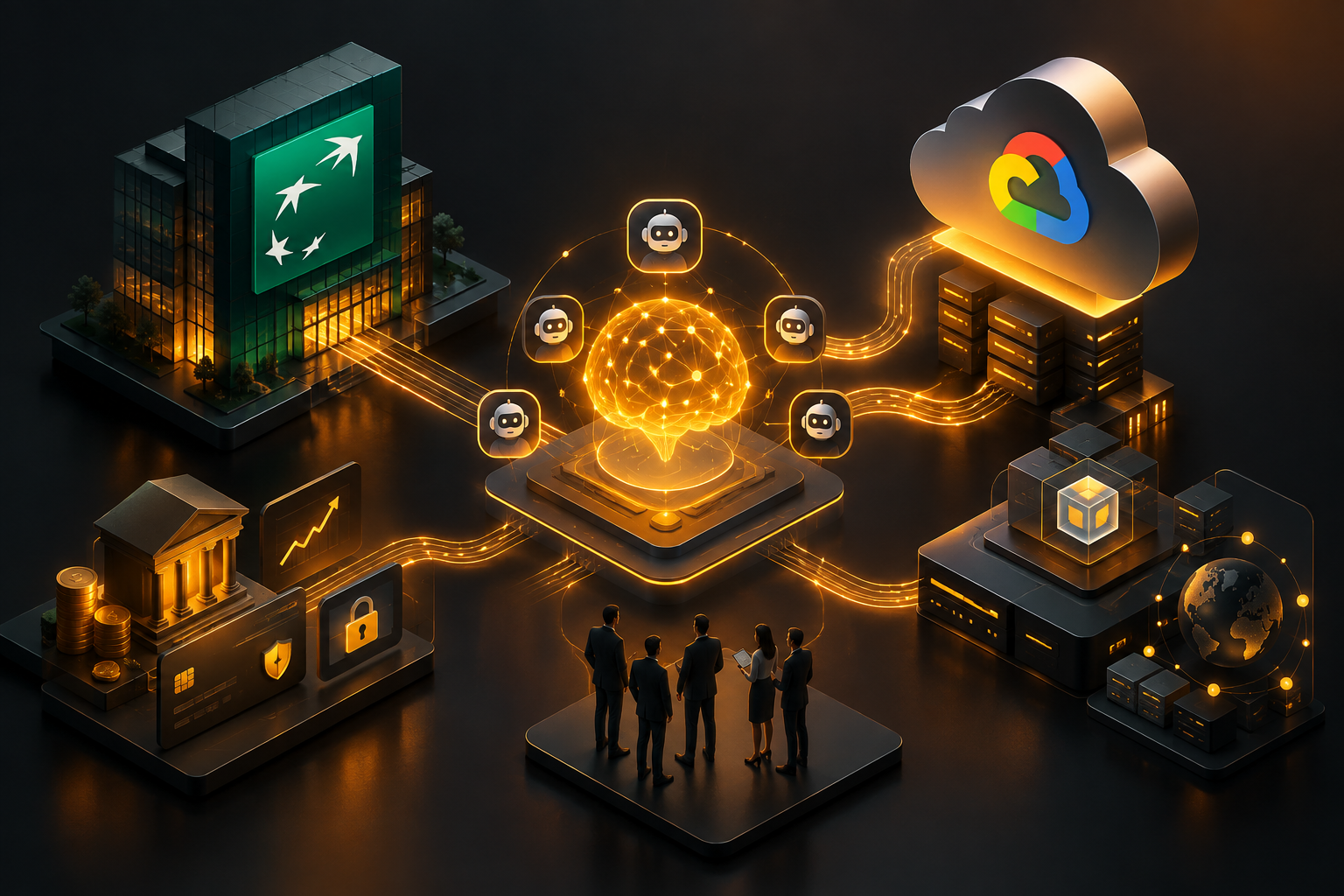
- The company aims to reduce dependence on US cloud providers
- The plan positions Mistral as a European AI champion in global competition
- Investments in local data centers are intended to reduce latency and strengthen data protection
Why This Matters for Europe
AI infrastructure is now a geopolitical asset. Whoever controls compute capacity also controls which models can be trained and where data flows. Mistral's announcement signals: Europe must not only develop AI software but also build its own hardware foundation. This fundamentally differs from a pure software company reliant on rented cloud resources.
1 gigawatt is substantial – for context, it's equivalent to powering a mid-sized city. For Mistral, this means not just technical but also financial and logistical challenges: securing locations, guaranteeing power supply, and planning cooling systems.
The Path to 2030
Mistral's plan is long-term. This gives the company time to mobilize investors, navigate regulatory hurdles, and build partnerships with European energy providers. Clearly, massive capital inflows will be essential. European funding programs and private investors could play crucial roles.
The 2030 timeline is strategically chosen – distant enough to seem realistic, near enough to maintain credibility. For German and European companies dependent on AI infrastructure, this could mean: a genuine alternative to AWS, Google Cloud, and Azure emerges – with European data protection standards and potentially lower latency.
What This Means for German Companies
This plan transcends Mistral alone – it's a signal for the European market. If successful, German companies gain new options to run AI workloads on European infrastructure without relying on US providers. This could simplify compliance, reduce latency, and strengthen digital sovereignty.
Yet questions remain: How will the project be financed? Which partners are involved? Most importantly: Can Mistral compete with established players like OpenAI, Google, and Meta, who have already invested billions in infrastructure? The coming years will reveal whether Europe's AI ambitions can extend beyond software development.
Sources
Editorially owned by Ideal Syka. Sources and method: Newsroom & method. Tips and corrections: ai@i6eal.de.