Intuit, one of the world's largest business software providers, is integrating the AI search engine Perplexity into its product suite. Forbes reports the integration will give users direct access to intelligent search functions within their business tools—without leaving the application.
The essentials
- Intuit (maker of QuickBooks, TurboTax) is embedding Perplexity into its software
- The integration targets faster, context-aware research for business users
- Perplexity is an AI-powered search engine that delivers answers instead of just links
- The offering is aimed at small and mid-sized businesses and freelancers
What is Perplexity?
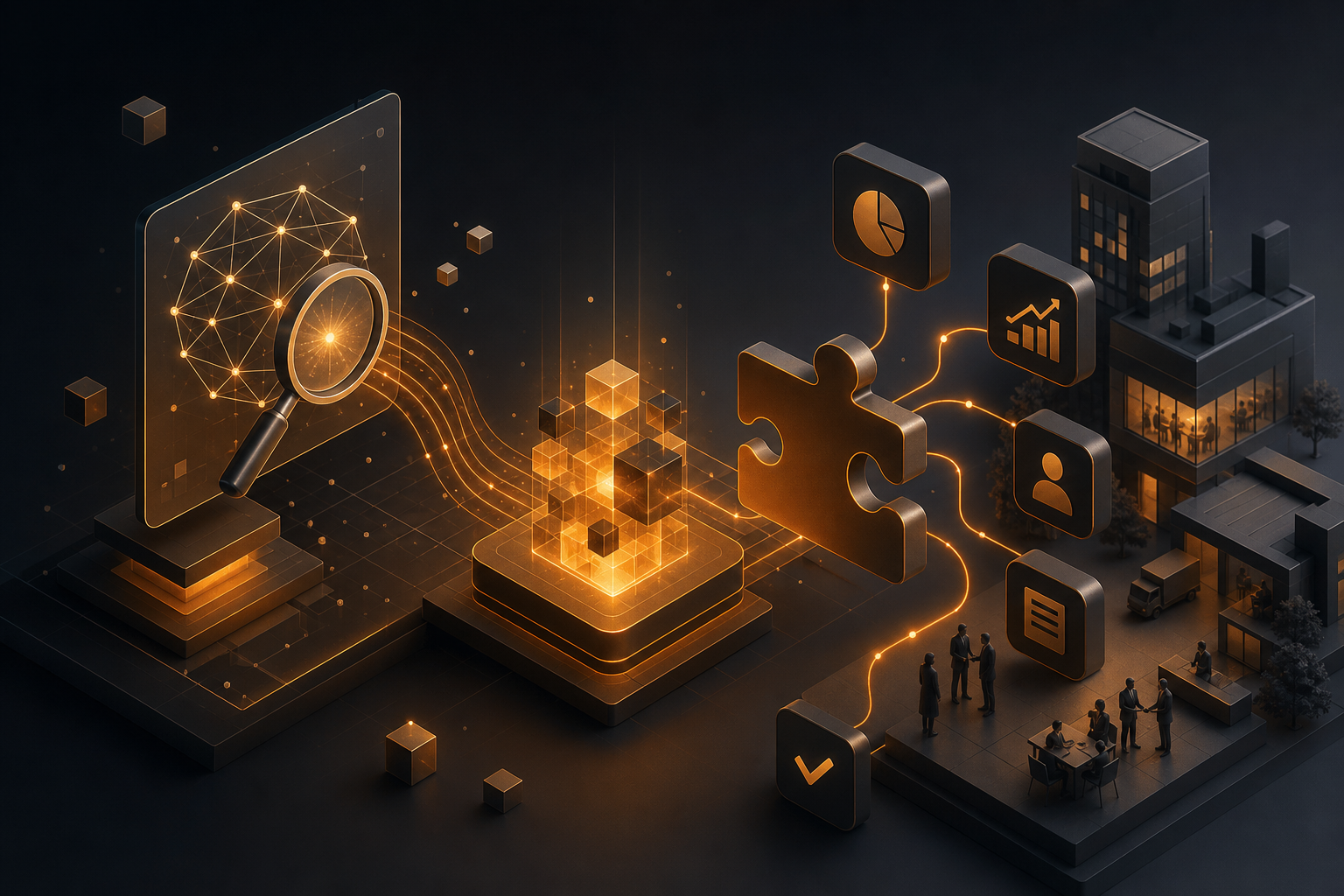
Perplexity works differently from traditional search engines: instead of link collections, the platform delivers directly formulated answers grounded in current sources. Users can ask questions in natural language and receive researched results immediately, complete with source citations. This saves time on information gathering—a major advantage for business users who need reliable data fast.
Practical value for business software
Integration into Intuit's ecosystem means concretely: users working with QuickBooks (accounting), Mailchimp (marketing), or other Intuit tools can soon ask questions directly from within the application. This could help with research on tax regulations, market trends, or business data—without juggling multiple tabs.
The integration is part of a broader trend: major software vendors are embedding specialized AI functions into their platforms to create a "single point of truth" for users.
What this means for German mid-market companies
For German enterprises using Intuit products, this integration could unlock new efficiency gains. Particularly for freelancers, tradespeople, and small agencies relying on QuickBooks or similar tools, integrated AI research would be a practical add-on feature. However, key questions remain: when will the feature be available in Germany, and how will it align with data protection and EU AI Act compliance requirements? Pricing implications also remain unclear.
The signal is unmistakable: AI integration into business software is no longer a future vision—it's becoming a standard expectation. Companies that ignore this trend risk falling behind on productivity.
Sources
Editorially owned by Ideal Syka. Sources and method: Newsroom & method. Tips and corrections: ai@i6eal.de.