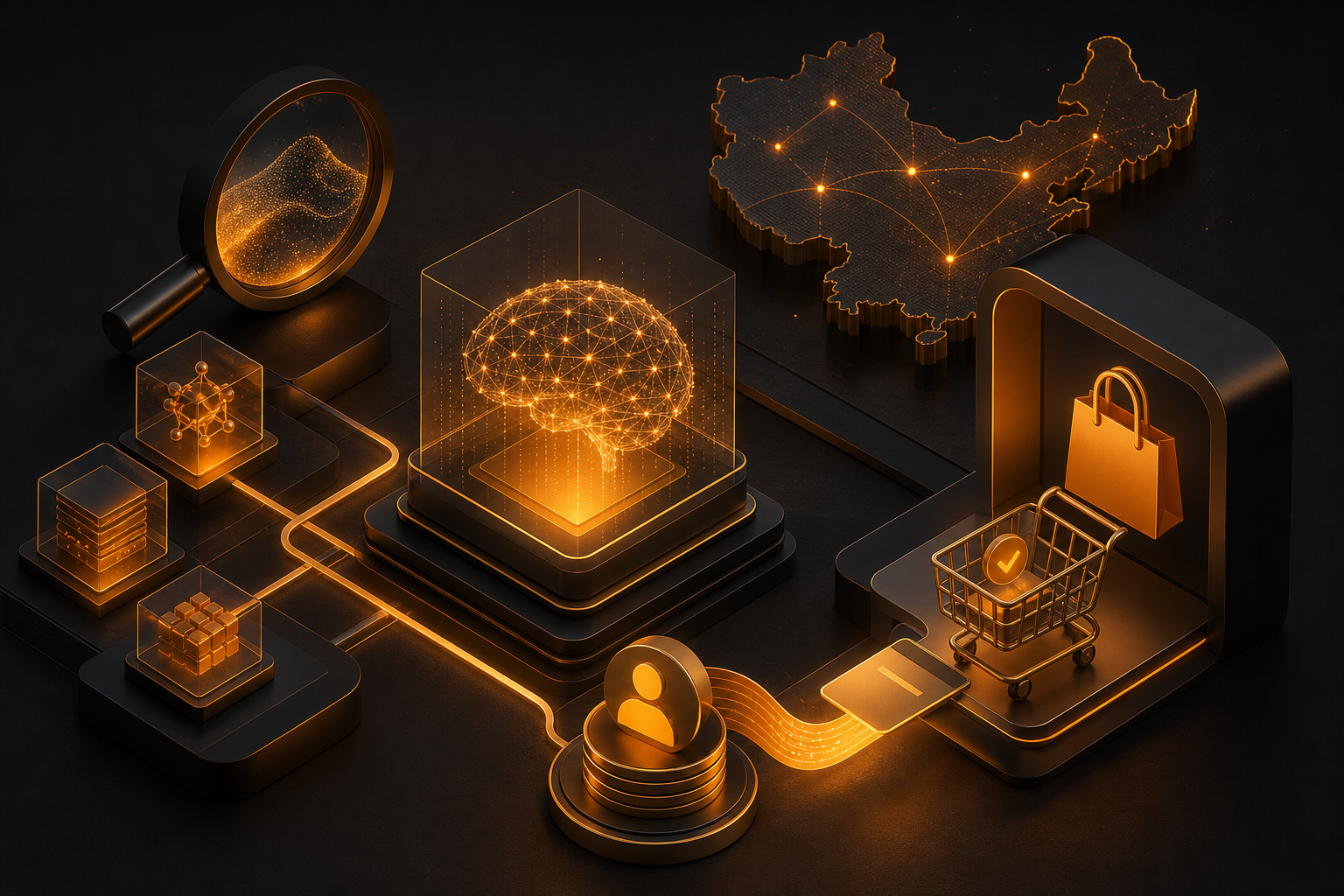
China's AI industry has opened a new distribution channel. On Alibaba's e-commerce platform Tmall, users can now buy AI subscriptions and token packages – packaged like prepaid mobile phone credit. The trend started with Z.ai (also known as Zhipu AI), which opened a storefront last week for its GLM Coding Plan. A day later, Tmall launched a central "AI Space Station," a marketplace for subscriptions from Alibaba Cloud, Z.ai, MiniMax, and DeepSeek.
Key Facts
- Z.ai led the way: Within 48 hours of opening its storefront, transactions involving AI tokens and subscriptions on Taobao/Tmall jumped by over 160 percent
- Moonshot AI and MiniMax are reportedly in talks to open official flagship stores on the platform
- DeepSeek, Kimi, and MiniMax are currently sold through third-party vendors, not their own storefronts
- The model: AI access is marketed like everyday retail goods – a path to recurring revenue instead of pure website sales
Why Retail for AI Models?
Chinese AI labs are sitting on massive user numbers but struggle to convert them into reliable recurring revenue. Tmall offers a solution: the platform packages AI subscriptions in a familiar retail format, similar to topping up a prepaid phone plan. For Alibaba, it's a chance to establish a new product category; for AI developers, it means access to millions of potential customers without building their own marketing infrastructure.
"Tmall gives developers a more efficient channel to acquire paying users, but with a trade-off – they become more dependent on traffic controlled by the platform," says Poe Zhao, China technology analyst and founder of Hello China Tech.
The 160 percent surge for Z.ai within two days suggests the strategy is working – at least in the initial phase.
Who Sells How?
| Provider | Status | Model |
|---|---|---|
| Alibaba Cloud | Own storefront | Direct sales |
| Z.ai (Zhipu) | Own storefront | Direct sales |
| DeepSeek | Third-party vendors | Via partners |
| MiniMax | Third-party vendors (+ talks) | Via partners, flagship store planned |
| Moonshot AI (Kimi K3) | Third-party vendors (+ talks) | Via partners, flagship store planned |
What This Means for the Global AI Market
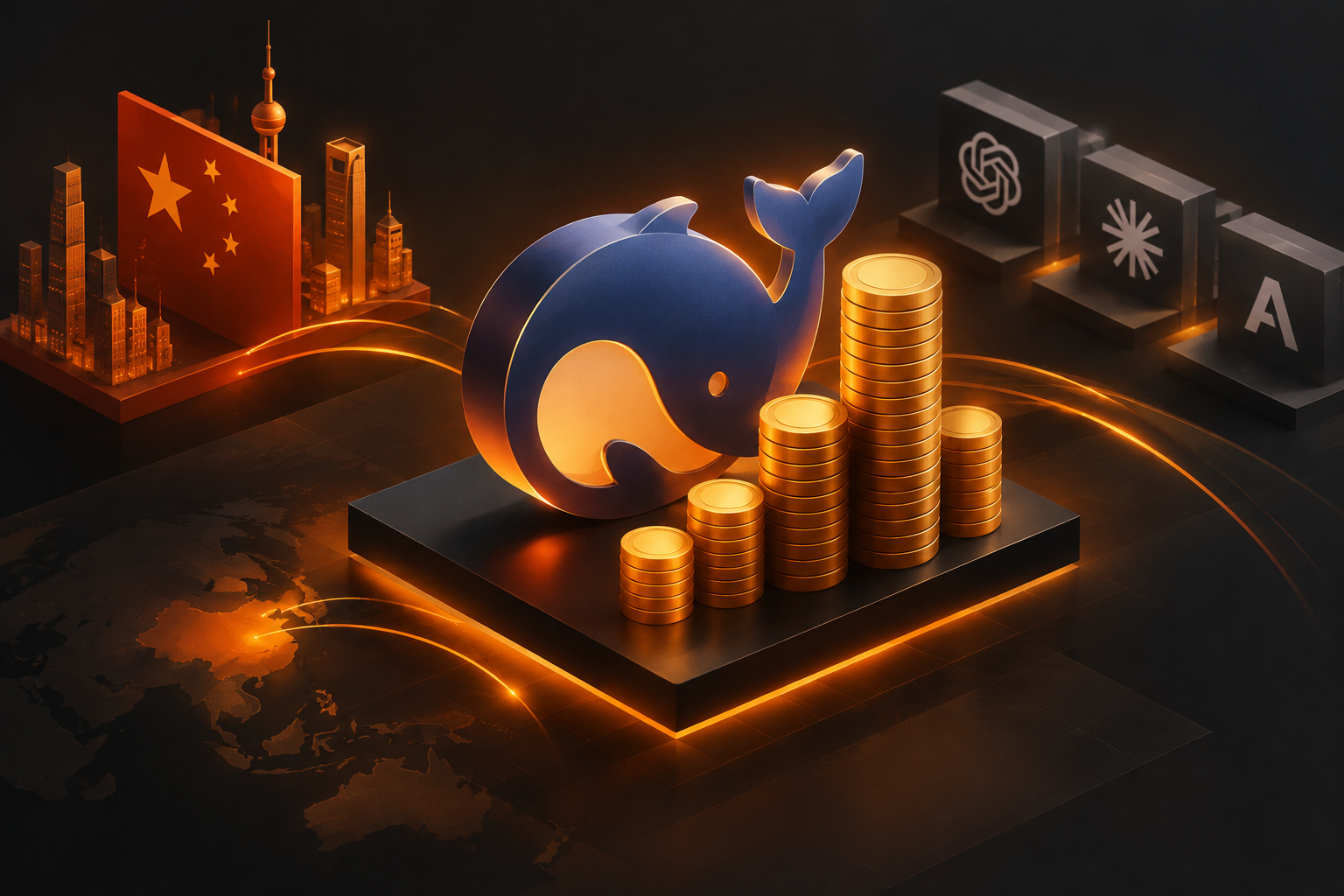
The Tmall strategy signals a paradigm shift: while Western AI providers like OpenAI and Anthropic monetize primarily through B2B channels and API access, Chinese developers are tapping the mass market directly. It's cheaper, faster, and less dependent on enterprise sales cycles. At the same time, it shows how much China's tech ecosystem relies on platform dependency – DeepSeek and Co. gain users but lose independence.
What This Means for German Companies
German AI developers and enterprise software makers should watch this closely. It suggests that mass-market monetization of AI models is already reality in China – while Europe still relies largely on API pricing and B2B contracts. For German platforms like Amazon or other marketplaces, this could be a blueprint; for companies selling AI services, it signals: retail could be an underestimated distribution channel.
Sources
Editorially owned by Ideal Syka. Sources and method: Newsroom & method. Tips and corrections: ai@i6eal.de.