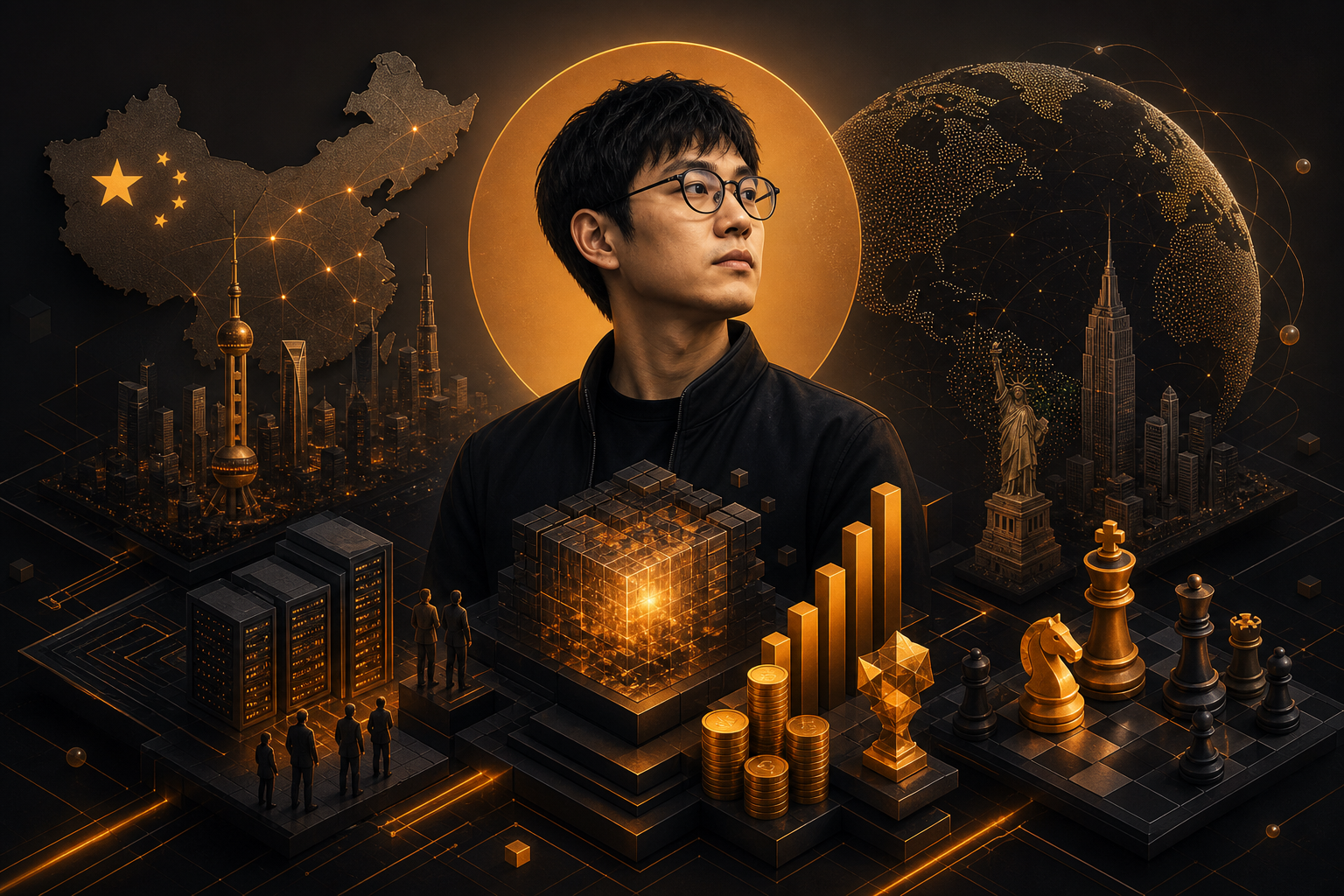
Liang Wenfeng, founder of Chinese AI company DeepSeek, has catapulted himself to the top of the world's richest AI founders. His wealth has more than doubled following the latest funding round – a clear signal of the shifting global AI power dynamics.
The essentials
- Liang's wealth jumped from approximately $16.7 billion to $36 billion (Bloomberg Billionaires Index)
- DeepSeek's valuation surged fivefold: from initially $10 billion (April) to $50 billion (according to reports)
- Liang maintains a stake of roughly 78 percent after a personal investment of $3 billion – significantly higher than US founders
- He now outranks Dario Amodei (Anthropic) and Greg Brockman (OpenAI) in the wealth rankings
How DeepSeek became a money machine
DeepSeek's rise is closely tied to Liang's hedge fund strategy. Liang founded DeepSeek in 2023 as a spinoff from the AI division of his investment firm Zhejiang High-Flyer Asset Management, which he built with two former university classmates. The decisive advantage: High-Flyer accumulated massive stockpiles of advanced graphics chips early on, before the US tightened its export restrictions. This computing capacity enabled DeepSeek to develop breakthrough models without relying on traditional venture capital.
In early 2025, DeepSeek shocked the global tech industry by releasing a model that achieved performance comparable to US rivals like OpenAI – but at a fraction of the cost. Since then, the company has maintained momentum: its latest V4 model was publicly unveiled, and DeepSeek actively promotes compatibility with chips from Chinese tech giant Huawei.
What sets Liang apart from Silicon Valley founders
The standout feature: Liang's 78-percent ownership stake is unusual among modern AI founders. In the US, billion-dollar valuations for frontier AI companies typically require massive dilution through tech giants and venture capitalists. By contrast, Liang maintains control that secures him enormous wealth gains and operational independence – a structural advantage enabled by China's state and corporate capital flows.
The source of funding is crucial: while OpenAI and Anthropic depend on private VC rounds, DeepSeek benefits from an ecosystem where state and corporate investments flow freely. This marks DeepSeek's transition from a private software experiment into a critical national asset.
What this means for the global AI landscape
The era of Chinese consumer internet tycoons like Alibaba's Jack Ma is waning. State-backed artificial intelligence is taking its place. Liang's rise to become the world's richest AI personality is no accident – it mirrors China's strategic prioritization of AI sovereignty and the concentration of capital in a few state-supported actors.
Implications for European enterprises
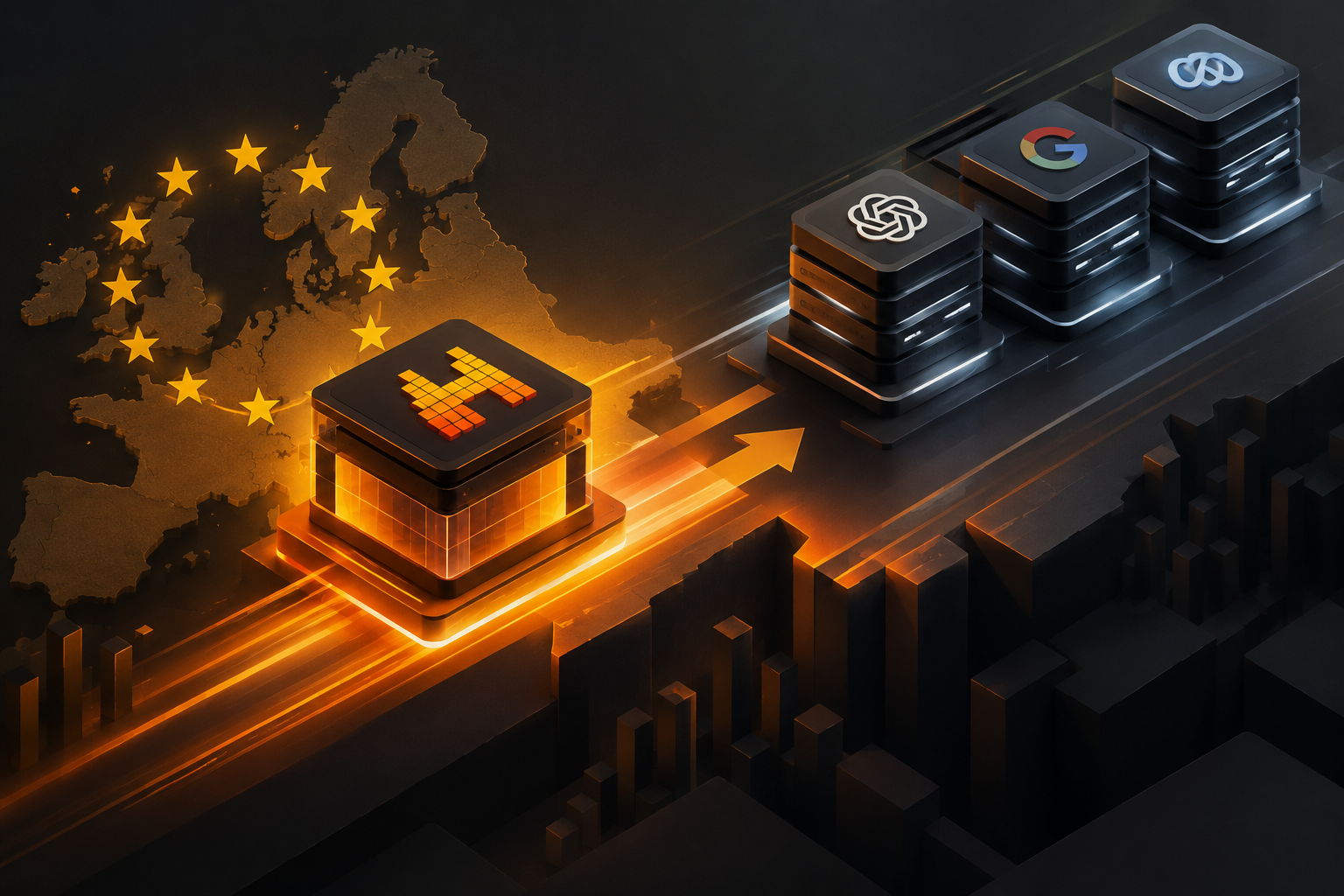
This development poses challenges for German and European AI players: DeepSeek's cost efficiency and massive capital concentration create competitive pressure that fragmented European initiatives struggle to match. At the same time, Liang's strategy – early infrastructure investments, independence from external VC – offers a model European founders might study to preserve their control and autonomy.
Sources
Editorially owned by Ideal Syka. Sources and method: Newsroom & method. Tips and corrections: ai@i6eal.de.