Anthropic is testing internally whether its AI model Claude Code can fully autonomously handle the daily maintenance of its own apps – and the initial results are impressive. For several weeks, the AI has been executing a range of maintenance routines through a dedicated Slack channel called "proj-claude-maintains-apps", from crash fuzzing to dead code removal. The experiment demonstrates: autonomous AI agents are no longer just a concept, but already deployed in critical production environments.
The essentials
- Claude Code created 388 pull requests in just a few weeks, with 180 (46 percent) merged after human review
- The AI executes twelve specialized maintenance routines – from crash fuzzing to logic bug fixes to abstraction improvements
- Boris Cherny, Anthropic employee and creator of Claude Code, calls the results "surprisingly positive"
- Commands are issued via natural language instructions over Slack – without extensive prompt engineering
Twelve routines for automated code maintenance
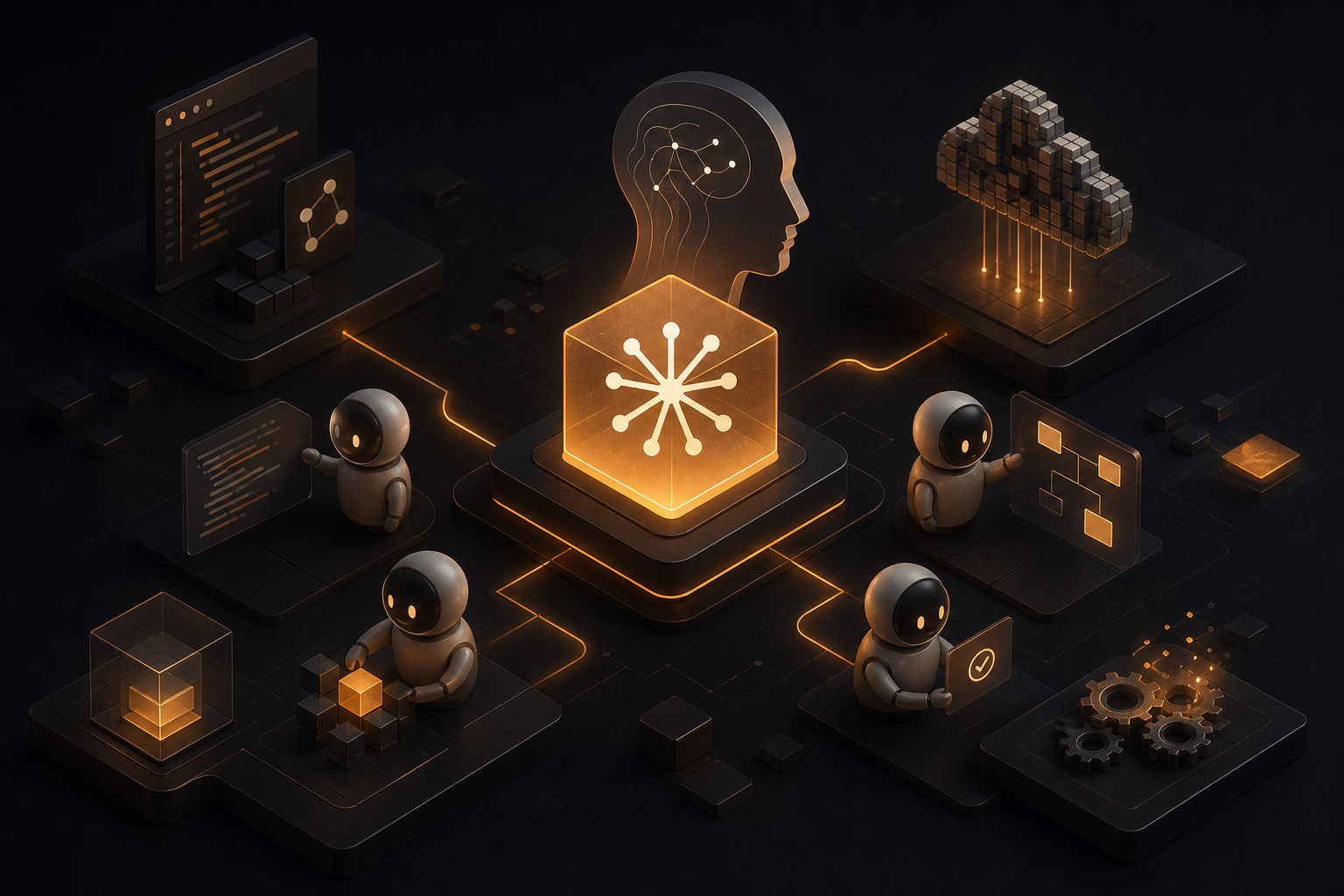
The system is impressive in its breadth. The Crash Fuzzer opens apps in a simulator, taps randomly to provoke crashes, analyzes the cause, and automatically creates a fix. The Dup Unifier searches the codebase for similar but slightly different abstractions and suggests merging them. The Dead-Code Remover eliminates statically unreachable code – or first adds logging to suspicious code to check the next day whether it's actually unused.
Other routines like the Logic Simplifier, the Flaky-test Fixer, and the Abstraction Police cover the entire spectrum of code quality. Claude works on real apps without mocks – an important distinction from many AI experiments in the lab.
Simple commands, complex results
What's surprising: Cherny has shared his prompts on Slack, and extensive prompt engineering is nowhere to be seen. He simply instructs Claude in natural language to run daily routines, use real apps, provoke crashes, and create pull requests with fixes. According to Cherny, the AI gets the pull requests right on the first attempt in most cases. If not, the respective routine is adjusted so Claude delivers better results the next day – tuning sometimes takes a few days.
| Metric | Value |
|---|---|
| Pull requests created | 388 |
| Accepted PRs | 180 |
| Success rate | ~46% |
| Platforms | iOS, Android, Desktop, Web, CLI, Agent SDK |
What this means
Anthropic's experiment demonstrates: autonomous AI agents are handling critical infrastructure tasks in a production environment – not in a sandbox scenario, but with real apps and real users. The fact that nearly half of the automatically created pull requests are accepted after review suggests the technology delivers genuine productivity gains.
For German companies, the question arises: how quickly will such autonomous maintenance agents become standard? Companies still doing all code reviews and refactoring manually could soon face significant competitive disadvantages. At the same time, new questions emerge – such as responsibility when AI-generated code changes cause problems, or security concerns when autonomous systems have access to critical repositories. Anthropic is working on these issues – but not all answers are in yet.
Sources
Editorially owned by Ideal Syka. Sources and method: Newsroom & method. Tips and corrections: ai@i6eal.de.