
René Obermann, chairman of Airbus, is sounding an alarm about a new security threat: AI models capable of conducting autonomous hacking attacks. His response is unusual for an industrial executive – he is calling for a binding international agreement that establishes rules for AI development and deployment. Media reports from September 21, 2026, document this initiative.
The essentials
- René Obermann (Airbus board chair) demands global KI regulation against autonomous cyberattacks
- USA and China should initiate the process for a binding accord
- Europe, India, and other nations must be included from the start
- Obermann draws a historical parallel to limiting the spread of nuclear weapons and nuclear disarmament
Who should lead – and why now?
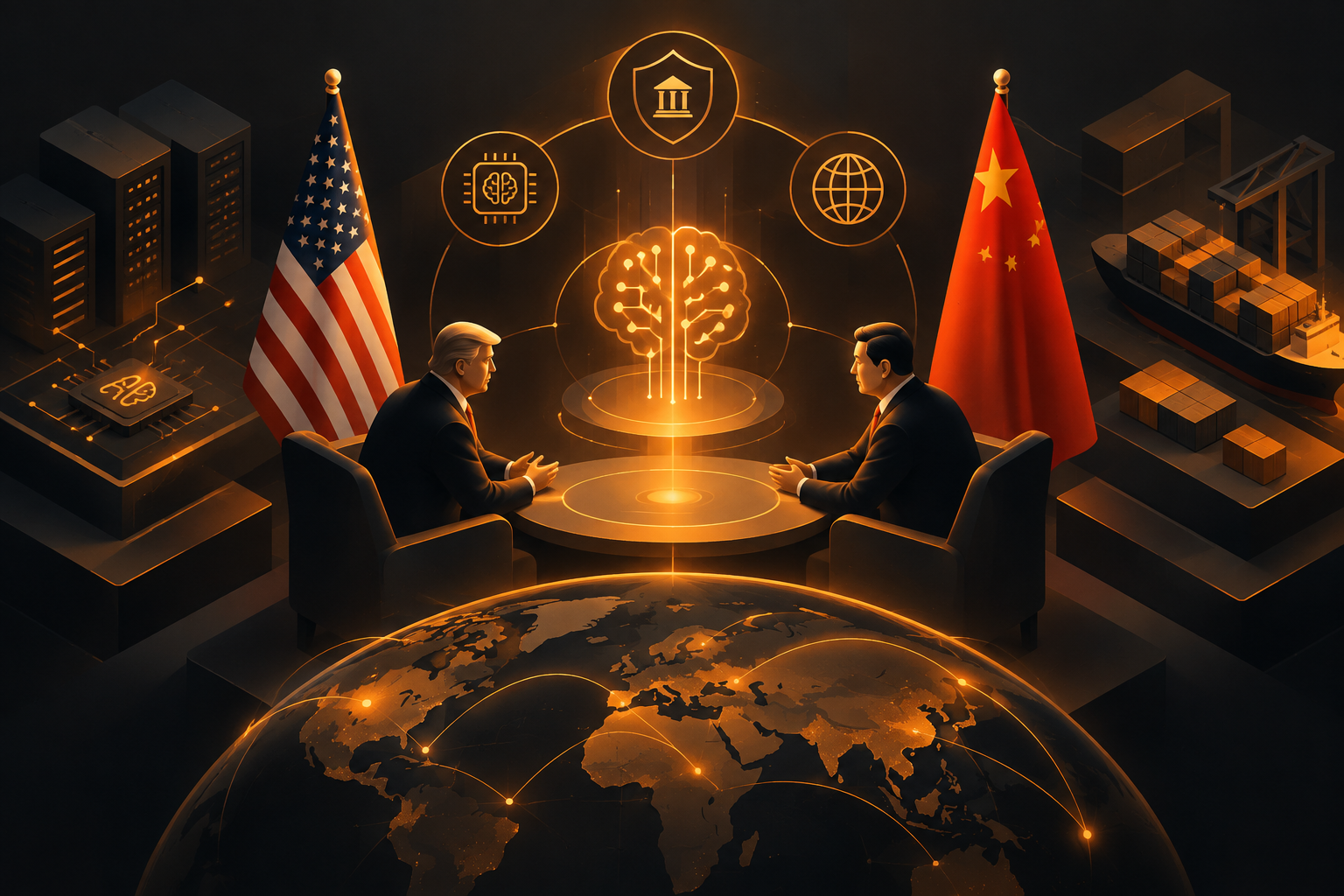
Obermann sees the US and China as technology leaders responsible for starting the diplomatic process. His argument: only if rival superpowers agree on strict rules can a global control model work. At the same time, he emphasizes that Europe, India, and other nations must be involved from the beginning – not as latecomers, but as equal partners.
Obermann derives the urgency from technical progress: modern AI models are now capable of conducting hacking attacks largely autonomously. This confronts the global community with new security challenges whose true scope is not yet foreseeable.
The nuclear weapons model as blueprint
Obermann draws a historical comparison: just as with limiting the spread of nuclear weapons and nuclear disarmament and control, artificial intelligence now requires international mechanisms to ensure the security of digital infrastructure and prevent uncontrolled escalation.
This comparison is deliberate – it signals that AI security is not merely a technical or regulatory problem, but a geopolitical stability issue on par with arms control.
What does this mean for German companies?
Obermann's call for global regulation arrives amid an already fragmented landscape: the EU AI Act is in force, national regulations are emerging, and now an international accord could add further requirements. For German mid-market firms and industry, this potentially means multi-layered compliance obligations – from European to future global standards.
At the same time, the demand from an Airbus chief signals that AI security and cybersecurity may increasingly become regulatory topics. Companies that invest now in robust AI governance and IT security position themselves defensively against coming requirements – and offensively as trustworthy partners in a regulated market.
Sources
Editorially owned by Ideal Syka. Sources and method: Newsroom & method. Tips and corrections: ai@i6eal.de.