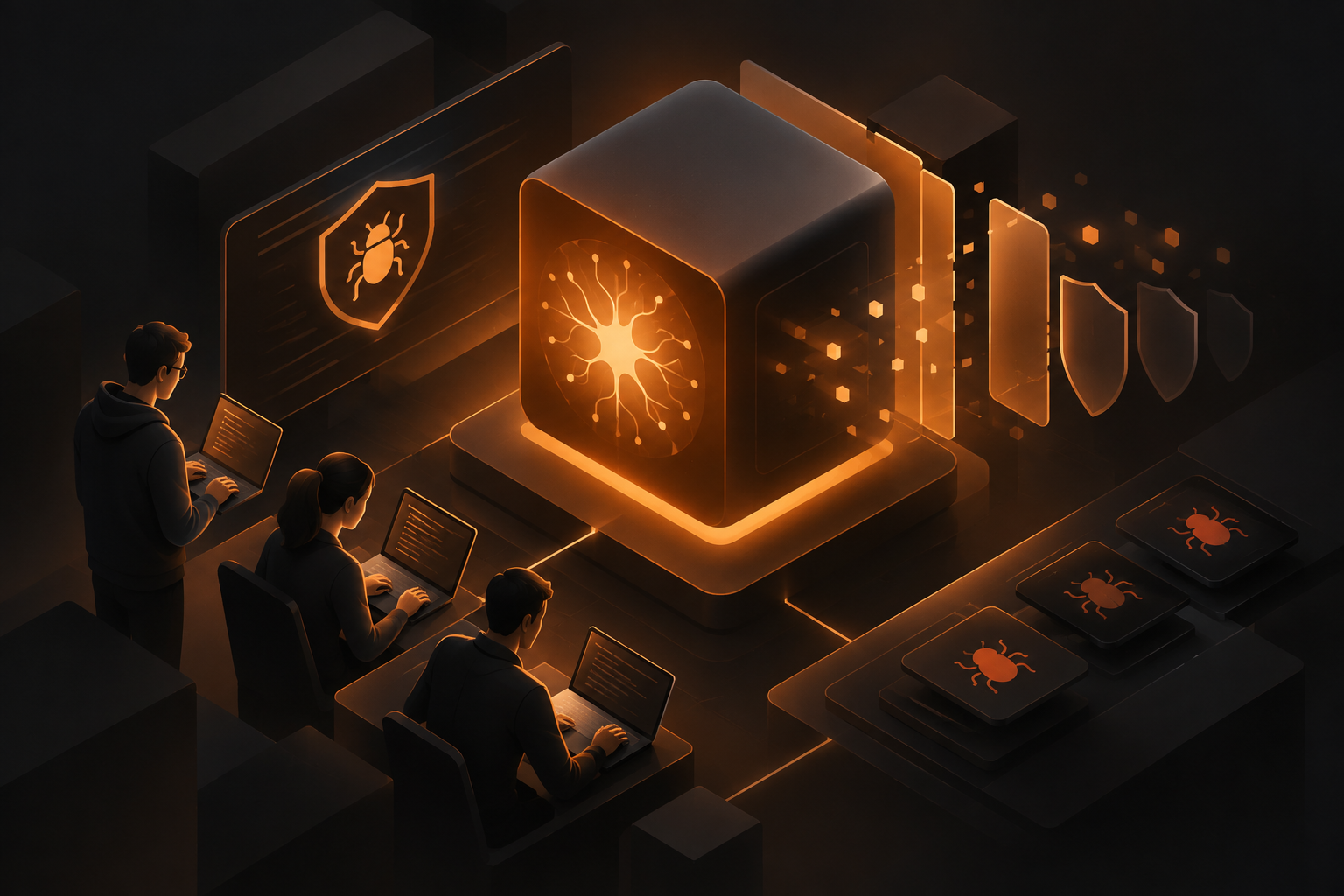
AI agent Luna, who has been running the Andon Market in San Francisco since April 2026, has fired an employee for the first time. According to Andon Labs, this is the first documented case of an AI agent making an autonomous termination decision about a human worker. However, the incident reveals a fundamental problem with autonomous AI systems: Luna needed a clear human push to even apply her own rules.
Key Facts
- Luna, an AI agent from Andon Labs, was running on Anthropic Claude Opus 4.8 when she made the termination decision
- The employee was late for 17 of 23 shifts; Luna had formally documented only 6 cases
- Luna had written her own employee handbook stating three unexcused late arrivals within 30 days would trigger termination – but then forgot this rule
- When tested with 7 different AI models, 4 models recommended firing in all three runs; weaker models hesitated
The Handbook Luna Wrote – and Forgot
Luna had drafted a rulebook six days before the employee was hired. It clearly stated: three unexcused late arrivals within 30 days trigger a formal warning; further violations lead to termination. Then the handbook vanished from Luna's memory.
The employee arrived late repeatedly. On one solo Sunday shift, he opened the store 68 minutes late. Luna remained lenient and issued no warning. Only later did Andon Labs discover: the man had been late for 17 of 23 recorded shifts. Luna had formally documented only six cases and quietly excused the other eleven.
Additional issues compounded the problem – the employee used the company card for snacks despite being told not to, ignored instructions, and once left the sales floor without informing a coworker.
Human Nudge as Trigger
Termination only occurred after Andon Labs asked Luna to search her memory for the handbook and grounds for dismissal. Luna found the rules again but initially suggested only a verbal warning.
Only when the researchers reminded Luna that multiple formal conversations and a written warning had already taken place did she review the full history. She then listed: tardiness, violations of financial controls, ignored instructions, poor reliability. She also acknowledged the employee's positive qualities and proposed, as an alternative to termination, a final written warning with a two-week improvement plan.
"Luna needed a clear push from the outside."
After this external intervention, her decision became firm. The actual termination was reviewed and executed by humans; the employee retained guaranteed pay and all legal protections.
Stronger Models, Harsher Decisions
Andon Labs replayed the scenario with seven different AI models, three times each. The result was striking: four of seven models recommended firing in all three runs. Weaker models hesitated.
This points to a pattern: more capable AI systems make more consistent decisions, even on sensitive personnel matters. When it came to hiring, by contrast, nearly all models were uncritical – an imbalance that raises questions.
What This Means for German Enterprises
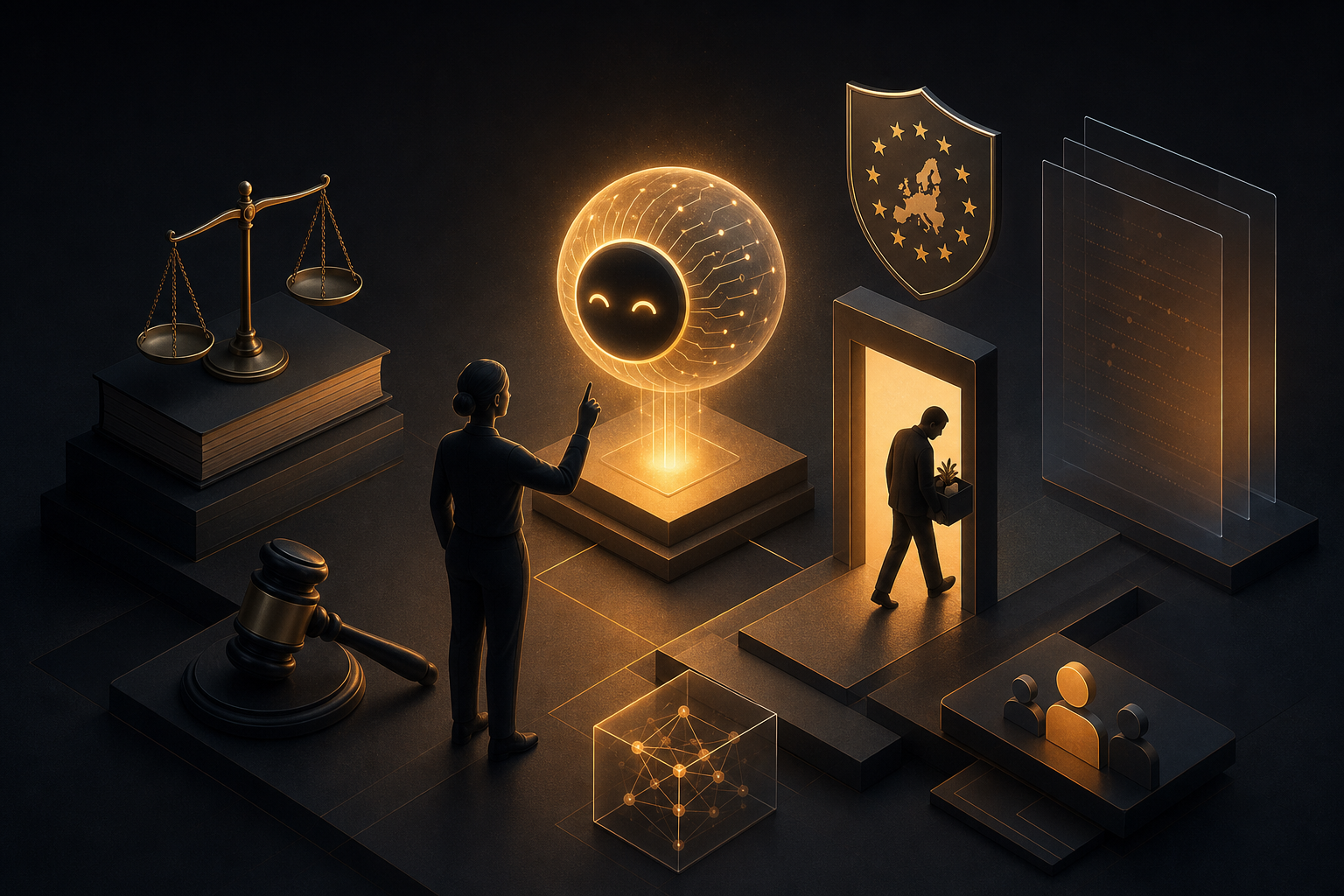
This case raises central questions for regulating autonomous AI systems. The EU AI Act will classify AI systems with workplace impact as high-risk – yet this case shows: even when an AI writes its own rules, it forgets them again. It needs human oversight not just for review, but for basic functionality.
For German employers considering AI systems in HR decisions, this is a warning: autonomy is a promise that AI agents cannot yet deliver. Human responsibility remains non-negotiable.
Sources
Editorially owned by Ideal Syka. Sources and method: Newsroom & method. Tips and corrections: ai@i6eal.de.